Residential
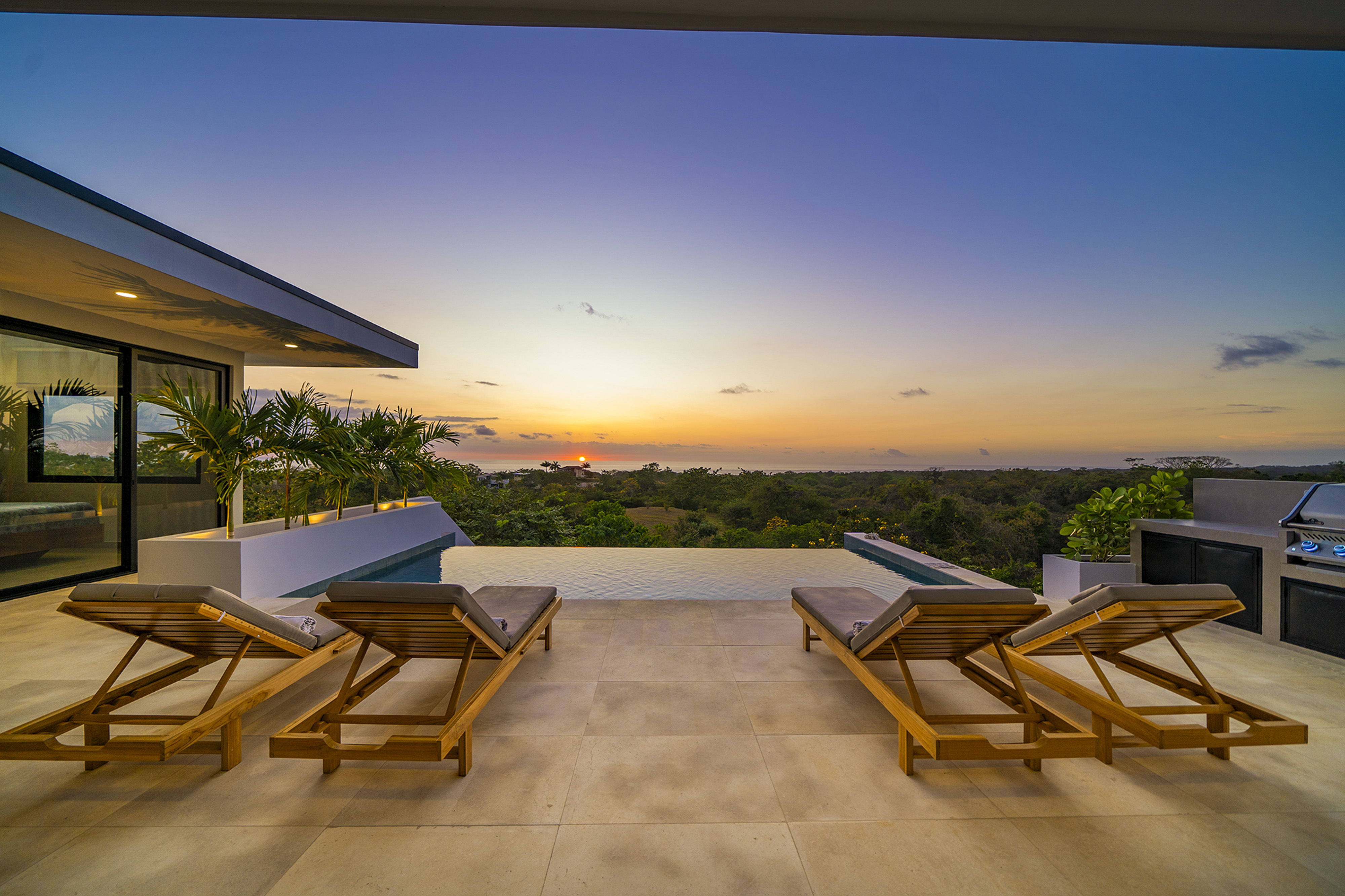
Casa H&I
Marbella, Guanacaste — 2024
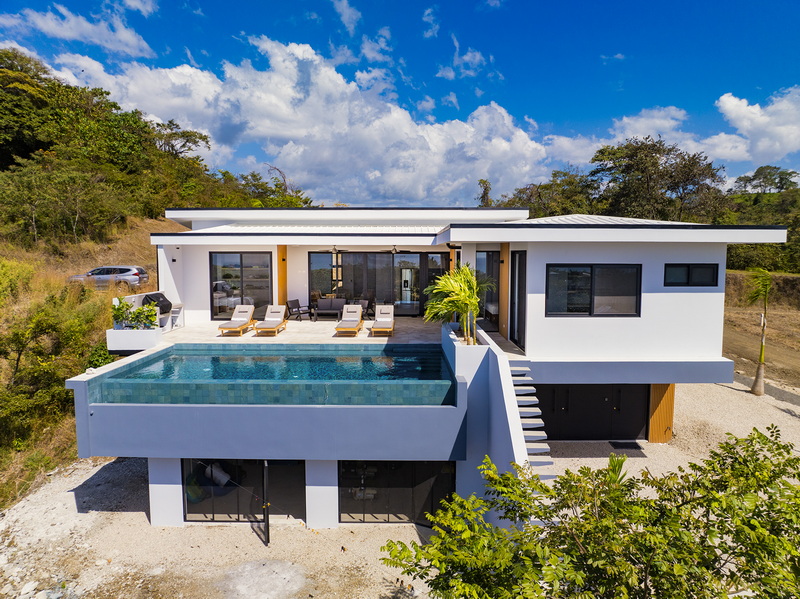
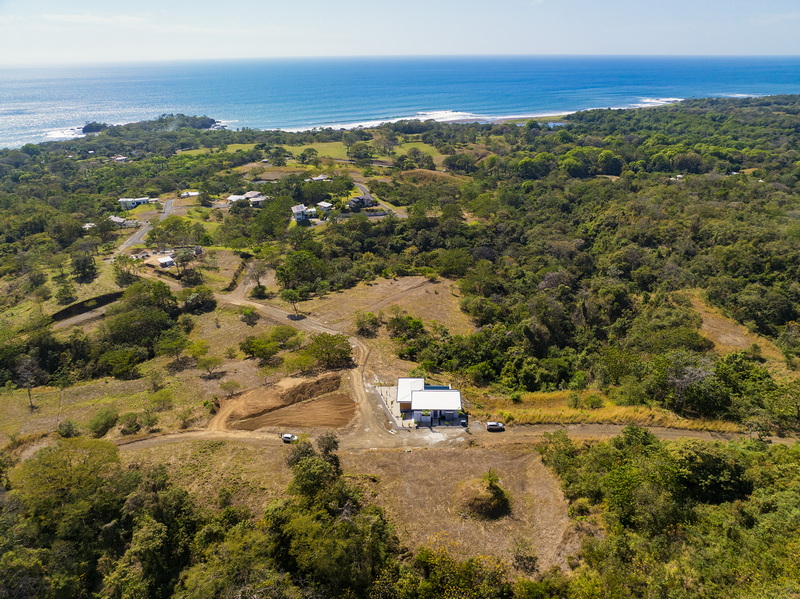
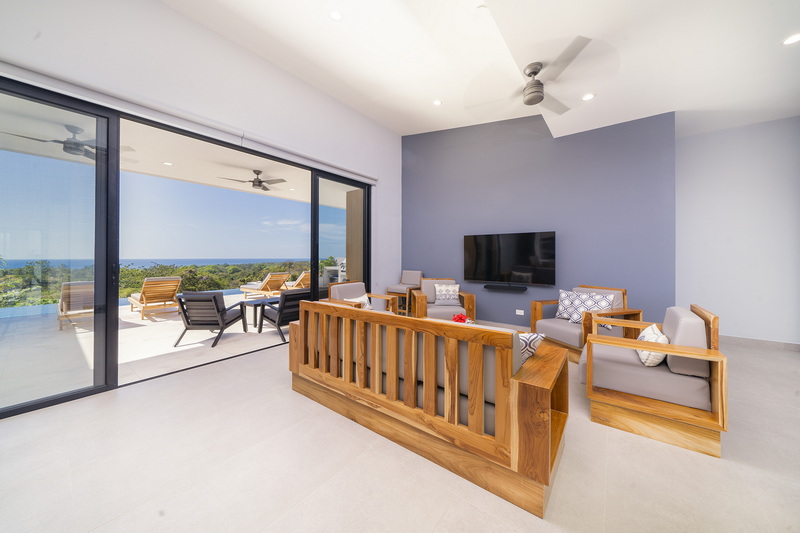
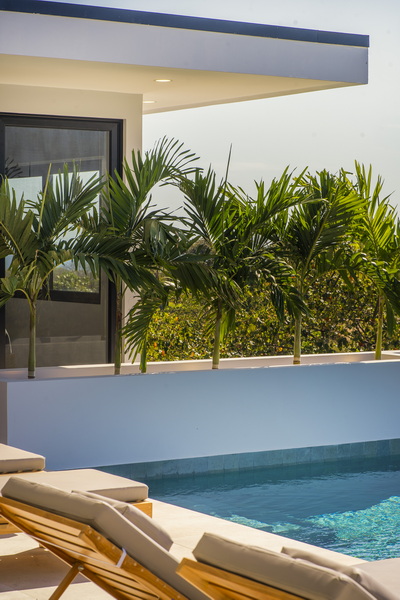
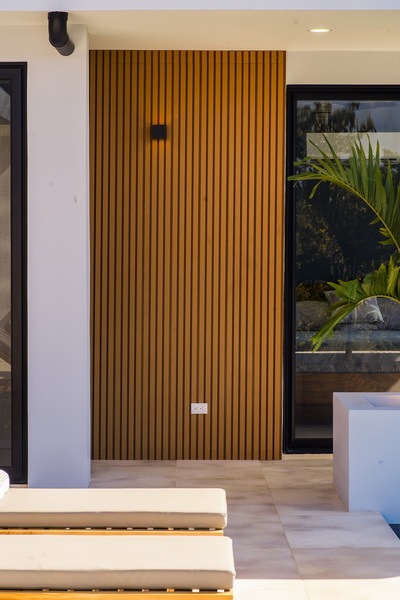
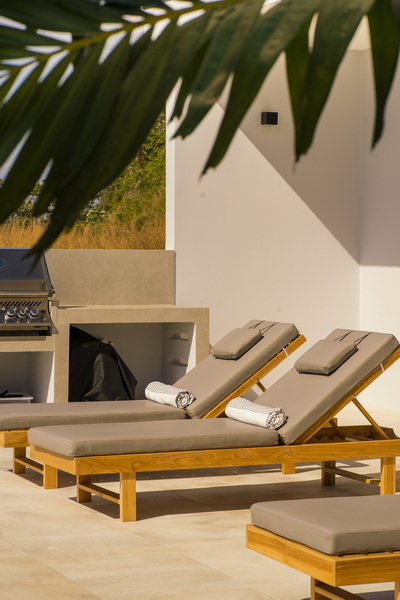
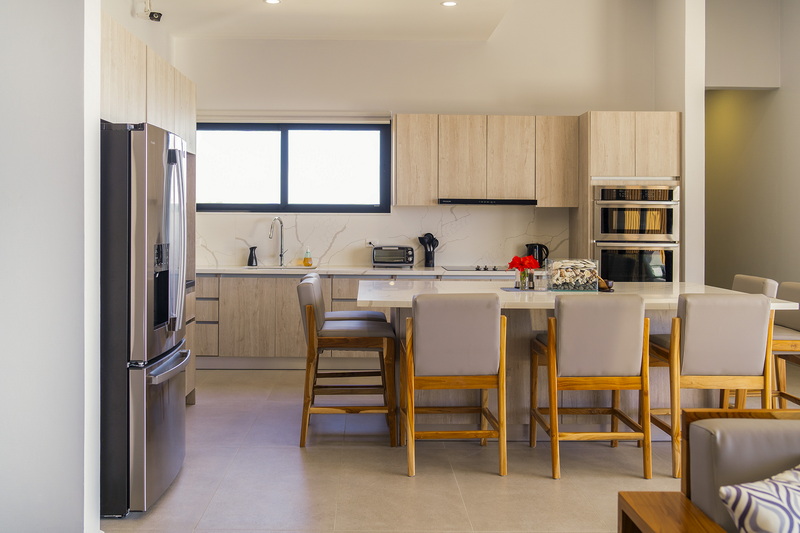
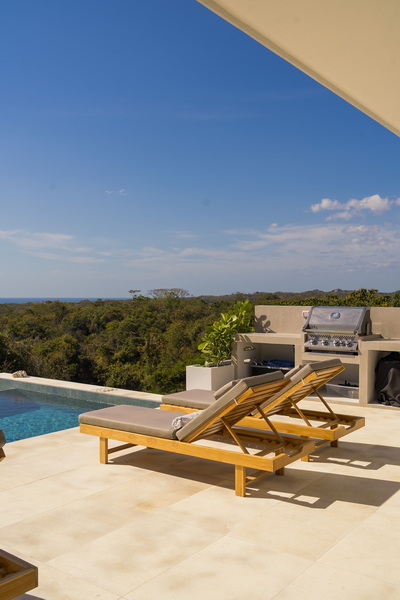
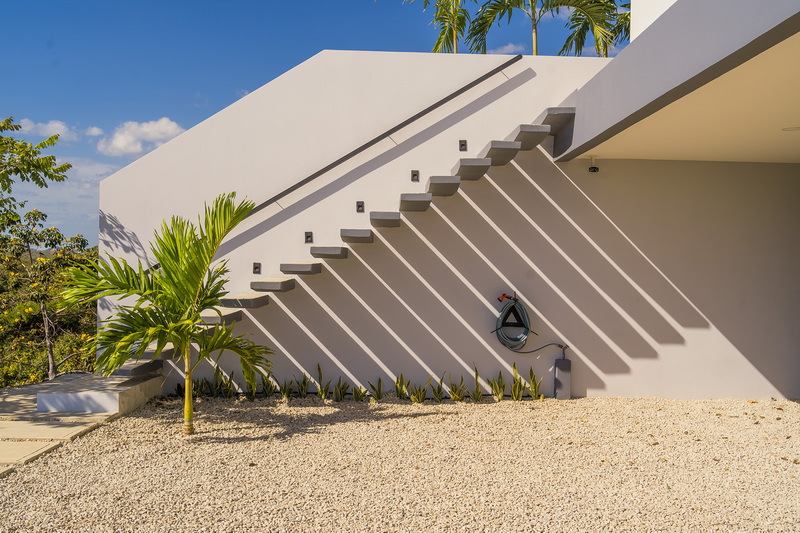
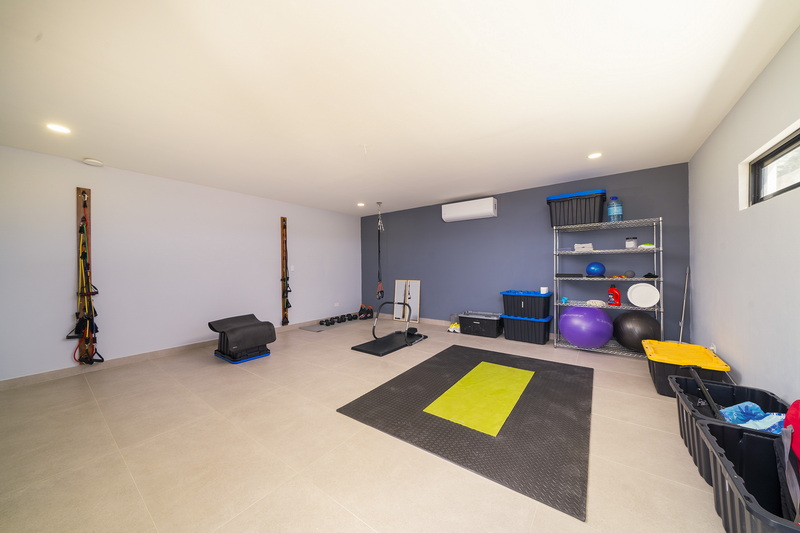
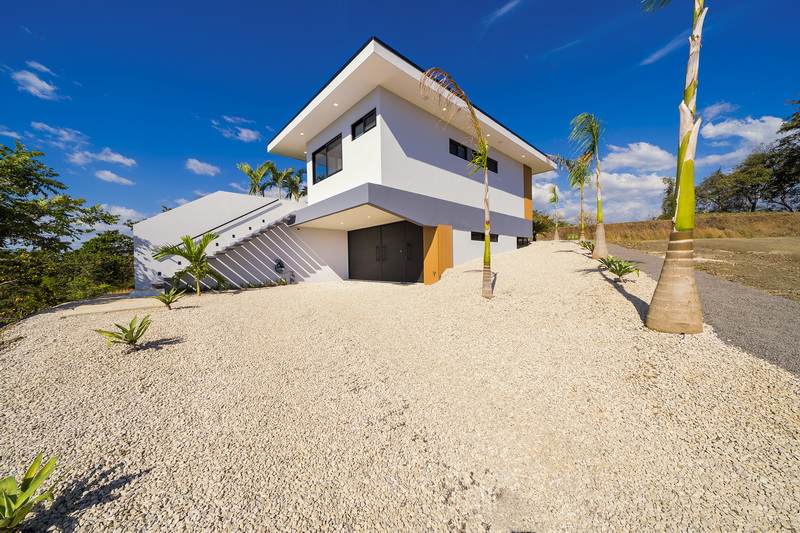
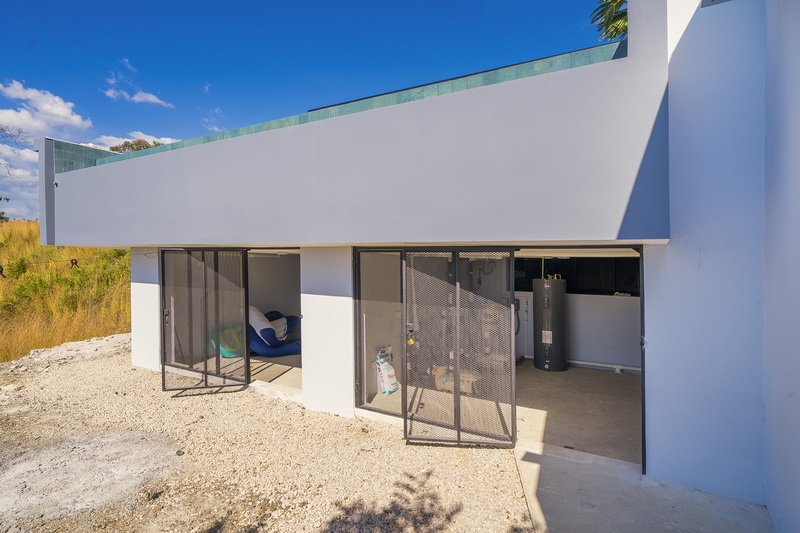
Casa H&I is a beach residence located in Marbella, Guanacaste, built on a sloping rocky site where the architecture carefully adapts to the natural topography of the land. The main living spaces are positioned on the upper level, while the garage and storage areas are integrated into the lower base of the terrain, allowing the house to rest naturally on the rock and take advantage of the existing slope.

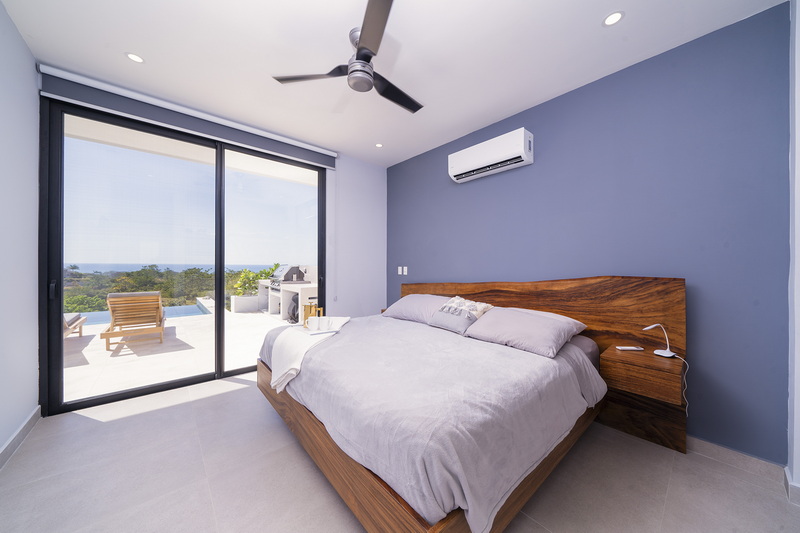
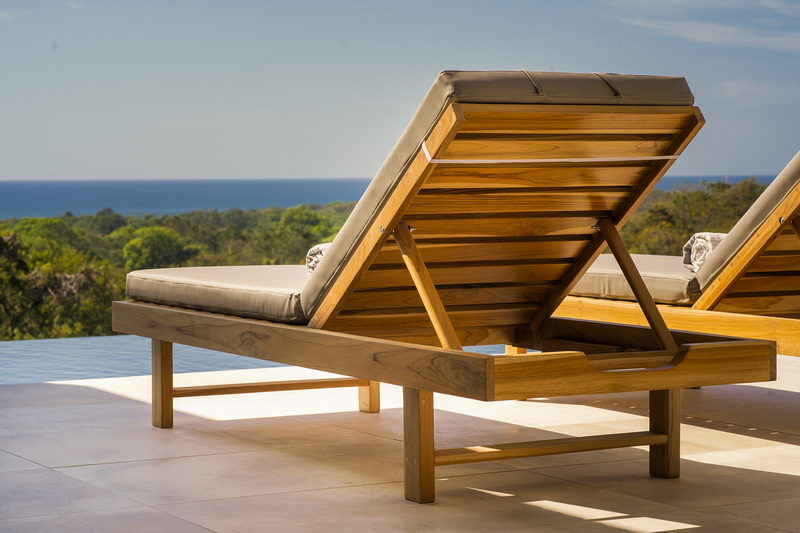
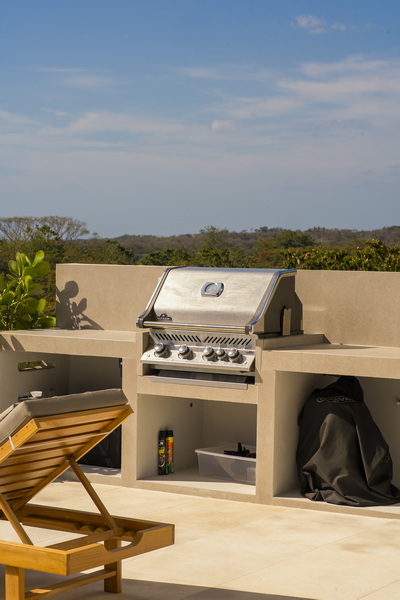
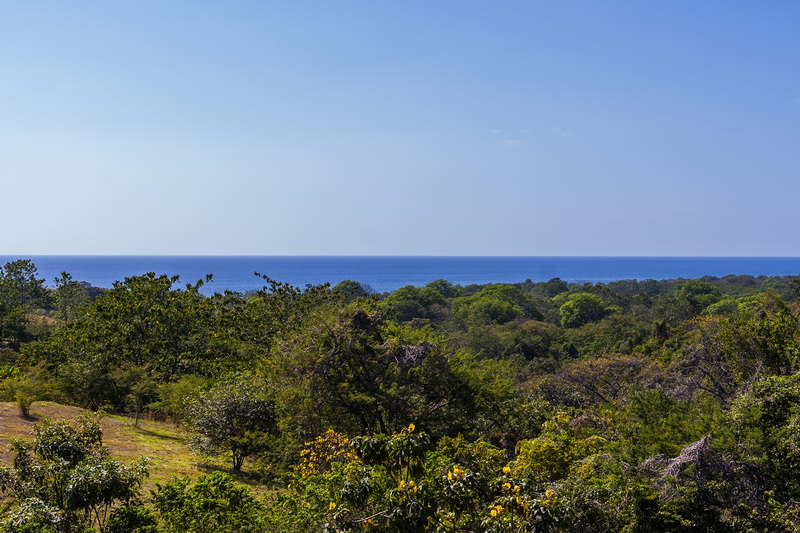
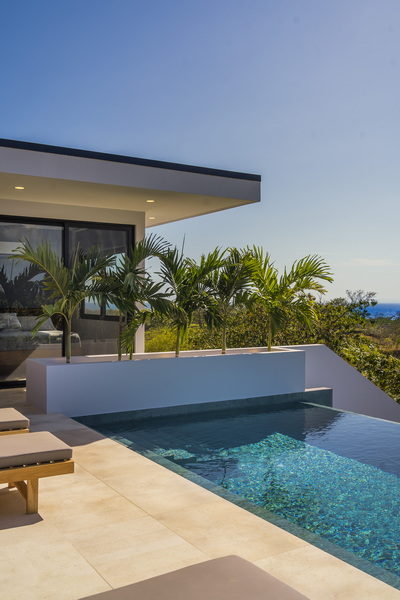
The main terrace and swimming pool open toward the ocean to capture the prevailing sea breeze. When the sliding doors are fully opened, fresh air flows through the social areas, creating natural cross-ventilation and a seamless relationship between indoor and outdoor spaces.
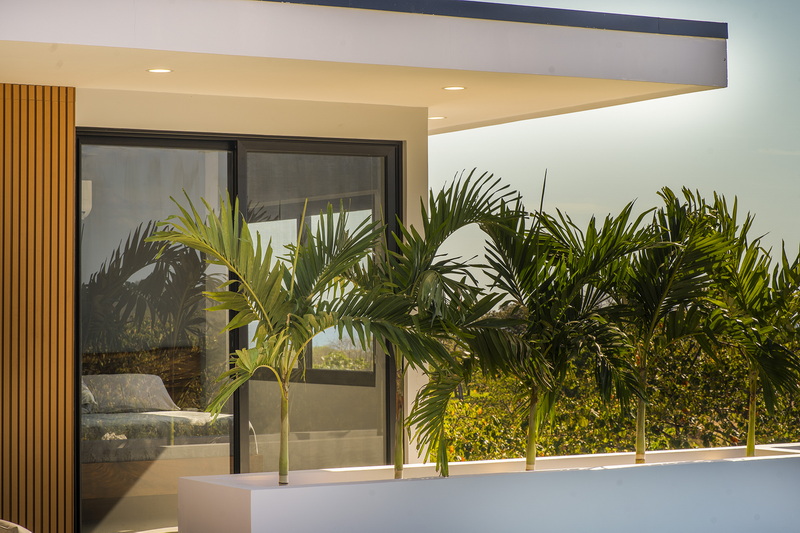
Generous roof overhangs protect the house from the tropical sun while enabling the constant use of outdoor areas. The UVPVC thermally insulated roofing system helps reduce heat gain and improve interior comfort.
Although BIOÁ was established after the construction of this residence, its founder participated in the project as the technical director of the construction and was responsible for the building process, applying principles that today form a fundamental part of the BIOÁ Wellhaus philosophy: adaptation to climate, respect for topography, and precise construction that responds thoughtfully to its environment.
Project Information
- Location: Marbella, Guanacaste, Costa Rica
- Year: 2024
- Typology: Beach Residence
- Site: Sloped rocky terrain
- Climate Strategy: Natural cross ventilation, large roof overhangs, ocean breeze orientation, thermally insulated UVPVC roofing
Gallery
Casa Club Costa Dorada
Marbella, Guanacaste — 2025
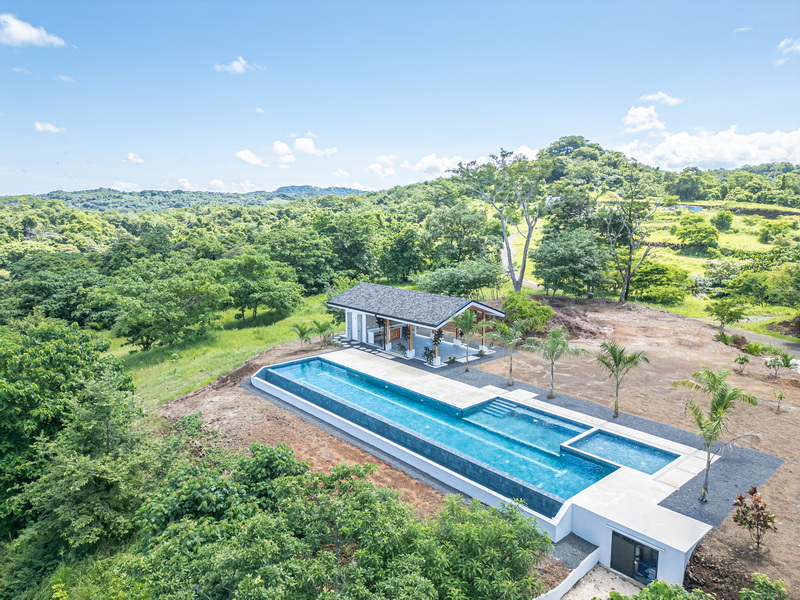
The Casa Club of the Costa Dorada condominium, located in Marbella, Guanacaste, was conceived as an open space that connects architecture, landscape, and social life. The project is organized around a semi-Olympic pool oriented toward the sea, offering panoramic views of more than 180 degrees of ocean and surrounding natural landscape.

The architecture seeks to visually disappear so that the surroundings become the protagonist. Spaces are designed to be wide and permeable, allowing the sea, the coastal breeze, and the natural environment to be experienced from every point in the project.
The project privileges the use of honest, natural materials: cañabrava ceilings, natural fiber lighting fixtures such as wicker and bamboo, polished concrete walls, and wooden columns that evoke the nearby forests of the Marbella mountains.
The color palette of the pool is inspired by the tones of the sea, reinforcing the visual continuity between architecture and landscape — a place conceived for living, resting, and gathering.
Project Information
- Location: Marbella, Guanacaste, Costa Rica
- Year: 2025
- Typology: Condominium Club House
- Materials: Cañabrava, natural fibers, polished concrete, wood
- Feature: Semi-Olympic pool with 180° ocean views
Gallery


Casa de la Paz
Costa Rica — 2023
Casa de la Paz is a residence designed as a space of serenity and openness, where architecture seeks to generate wellbeing through light, ventilation, and the connection between spaces. Although its formal language responds to a specific client request, the project maintains the fundamental principles of BIOÁ, prioritizing climatic and spatial comfort.
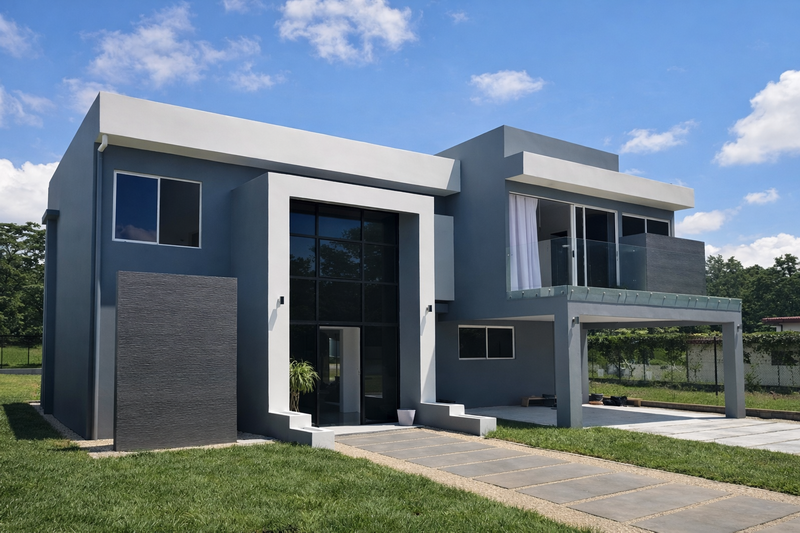
The residence is organized across two levels visually connected through large openings between the first and second floors, generating high ceilings that favor natural ventilation and keep the interior spaces cool. Openings were carefully protected according to their orientation: shorter overhangs on the north façade and deep overhangs on areas exposed to the afternoon sun.
The floor plan is clean and open, allowing the social spaces to flow without barriers. On the second level, open corridors interact visually with the lower social area and lead toward the bedrooms.
The master bathroom integrates a dry garden illuminated by a skylight above, creating an intimate experience where nature, privacy, and contemplation converge.
Project Information
- Location: Costa Rica
- Year: 2023
- Typology: Single-Family Residence
- Climate Strategy: Double-height volumes, natural ventilation, solar-oriented overhangs, skylit dry garden
Gallery




Little Panda House
Costa Dorada, Puntarenas
Little Panda House, also known as Crab House, is a project conceived from a sensitive adaptation to the terrain and its natural surroundings. Located on a predominantly flat lot within the Costa Dorada condominium, the residence takes advantage of a natural slope at the rear to integrate the pool as the spatial and visual focal point of the project.

Toward the rear, a small forest becomes a key design element, functioning as a natural light filter, shade generator, and thermal regulator. The house opens fully toward this landscape, establishing a direct connection between interior and exterior.
The project is organized around a wide, high-ceilinged social area designed to enhance natural ventilation and allow controlled natural light. This space becomes the heart of the residence, connecting the three private bedrooms with the outdoor terrace.
The master bedroom and social area connect directly to the exterior through large windows, allowing the terrace, pool, and barbecue area to integrate as a natural extension of the interior. When fully opened, the house transforms into a single continuous environment where boundaries dissolve.
Project Information
- Location: Costa Dorada, Puntarenas, Costa Rica
- Typology: Single-Family Residence
- Bedrooms: 3
- Climate Strategy: Cross ventilation, passive solar control, forest integration as thermal buffer
Gallery



Casa Perú
Bendinat, San Rafael de Esparza — 2025
Casa Perú is a project conceived from an understanding of climate and orientation as fundamental design tools. Implanted in the Bendinat condominium, the residence responds strategically to the solar path and the prevailing wind direction, achieving nearly continuous cross-ventilation throughout all its spaces.
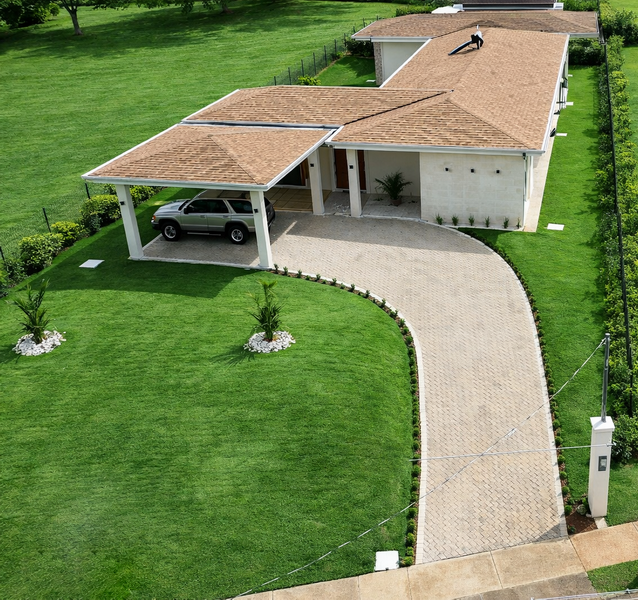
The house opens toward the prevailing wind direction, allowing air to flow naturally through the interior and constantly renew the atmosphere. This condition, combined with proper solar orientation, creates a balance between natural light and thermal comfort, reducing the need for mechanical systems.
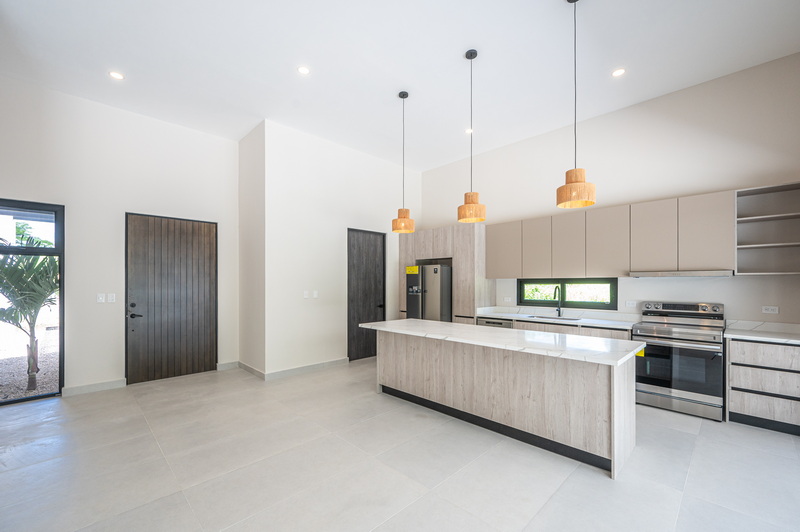
A key feature is the terrace, conceived as a climatic filter. Although it is the area of greatest solar exposure, the design incorporates wide overhangs and shading elements that control direct sunlight, allowing diffused light to enter the dining and kitchen areas. Both the terrace and the connecting corridor function as Engawa: intermediate spaces that dissolve the boundary between interior and exterior.
The house is organized through a clear separation between private and social areas, connected by a "light and wind corridor" — an articulating element that not only distributes space but also ventilates, illuminates, and links the home with the pool and exterior social areas.
Project Information
- Location: Bendinat Condominium, San Rafael de Esparza, Costa Rica
- Year: 2025
- Typology: Single-Family Residence
- Climate Strategy: Wind-oriented opening, solar control, Engawa transition spaces, light and wind corridor
Gallery

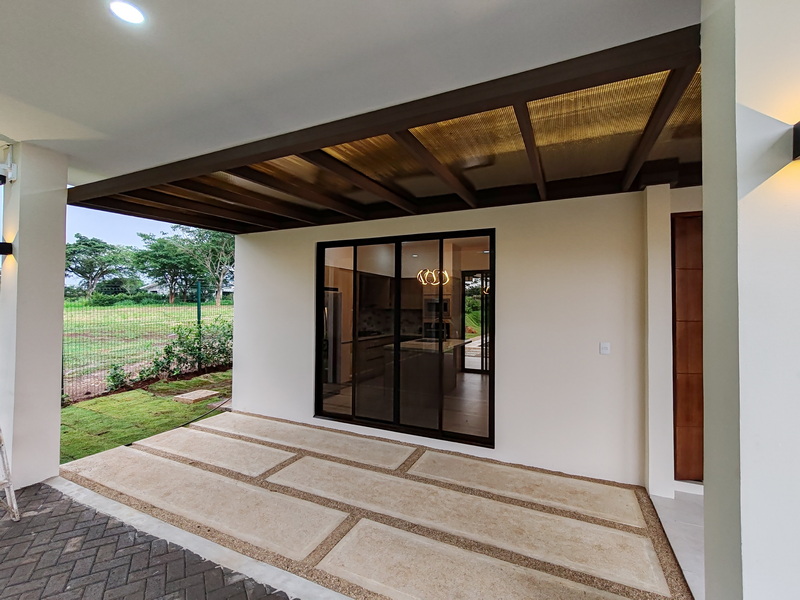


Casa Santorini
El Cocal, Puntarenas — Costa Rica
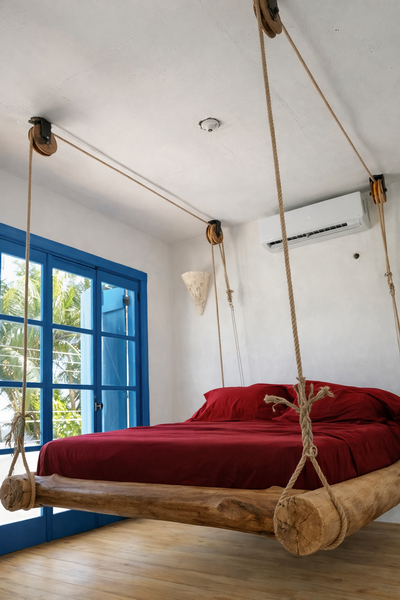
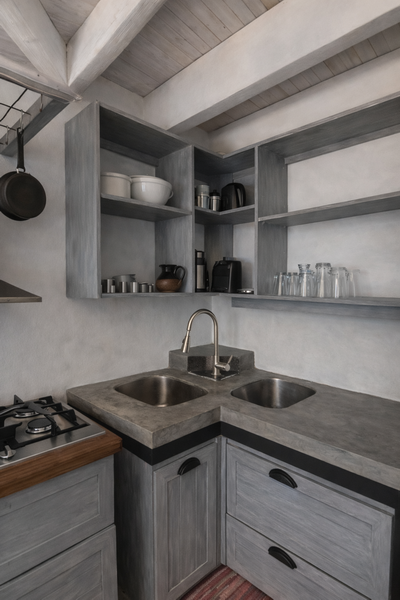
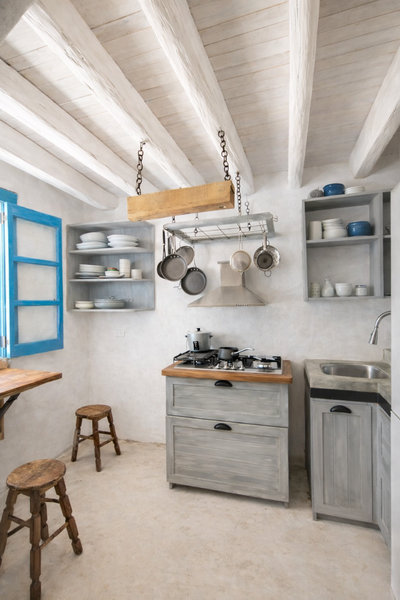
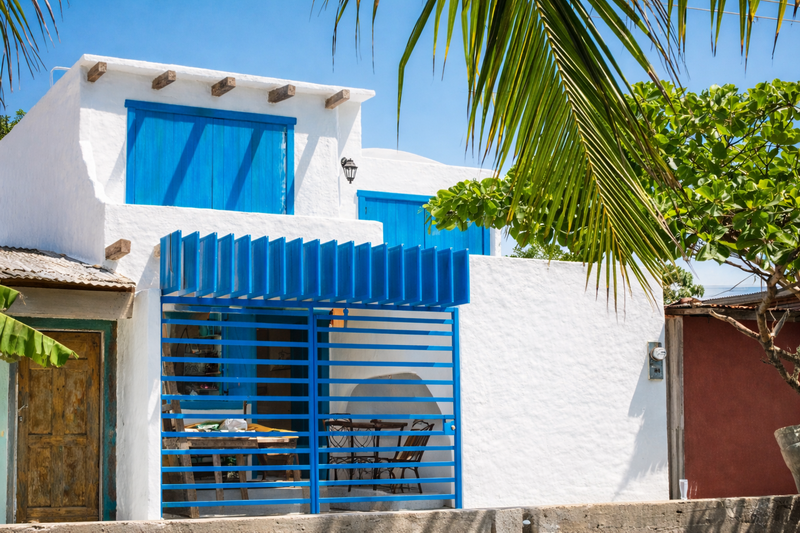
Casa Santorini is a project born from an extreme condition: a lot of only 60 m², with dimensions of 6 × 10 meters, without vehicular access, and located oceanfront. This initial limitation becomes the primary driver of the design, pushing the architecture to be resolved not in plan, but in section.

The house develops across seven levels, reinterpreting the logic of Santorini's architecture, where buildings adapt to topography. This adaptation is constructed artificially through a sequence of level changes that organize the program vertically, generating a dynamic and continuous spatial experience.
The total height reaches 7.5 meters, maximizing the permitted volume to capture views of the Pacific Ocean. The southern orientation is used strategically to frame views toward the Puntarenas cruise pier and allow constant entry of the sea breeze, promoting cross-ventilation across all levels.
Formally, the project draws from Mediterranean language: high-reflectance white walls, deep blue carpentry, and wooden details. As a conceptual gesture, it incorporates a reinterpretation of Oia in Santorini through a blue dome that becomes an icon within the ensemble — a Mediterranean fragment reinterpreted on the Pacific coast.
Project Information
- Location: El Cocal, Puntarenas, Costa Rica
- Typology: Compact Beach Residence
- Lot Size: 60 m² (6 × 10 m)
- Levels: 7
- Height: 7.5 m
- Climate Strategy: Cross ventilation at all levels, ocean breeze orientation, high-reflectance walls
- Concept: Habitar la verticalidad, enmarcar el horizonte.
Gallery
MK Dreams House
Condominio Bendinat, Esparza — 2025
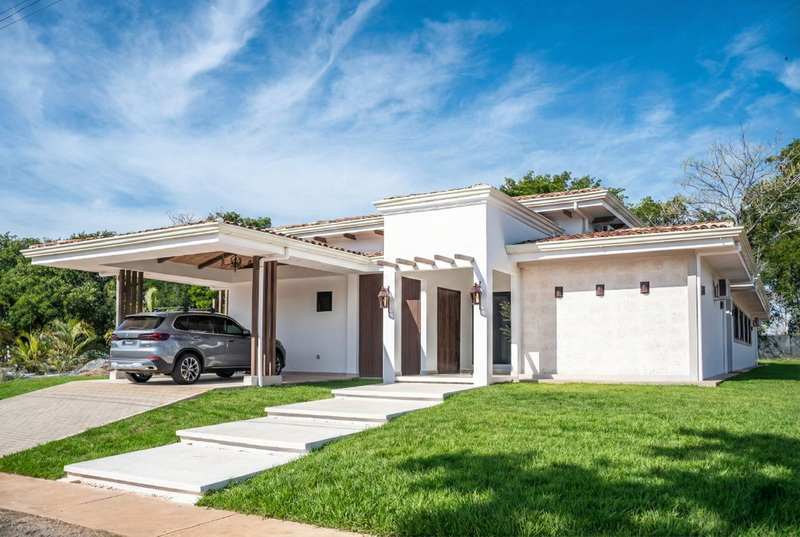
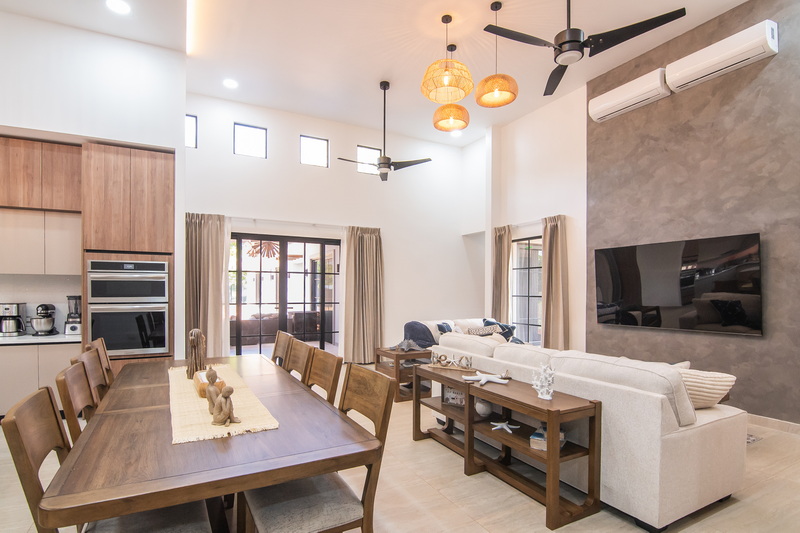
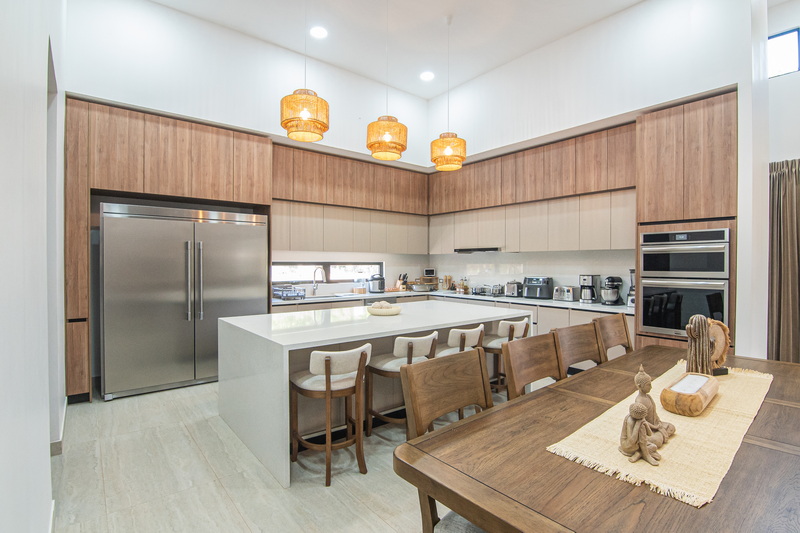
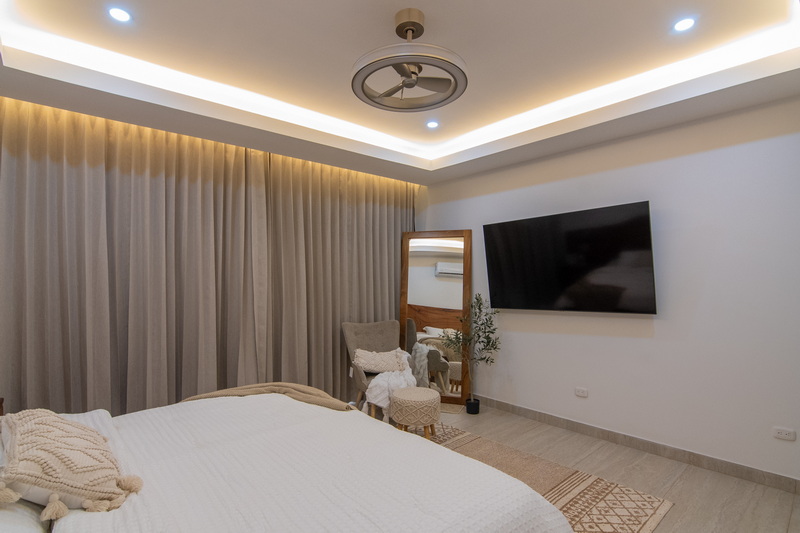
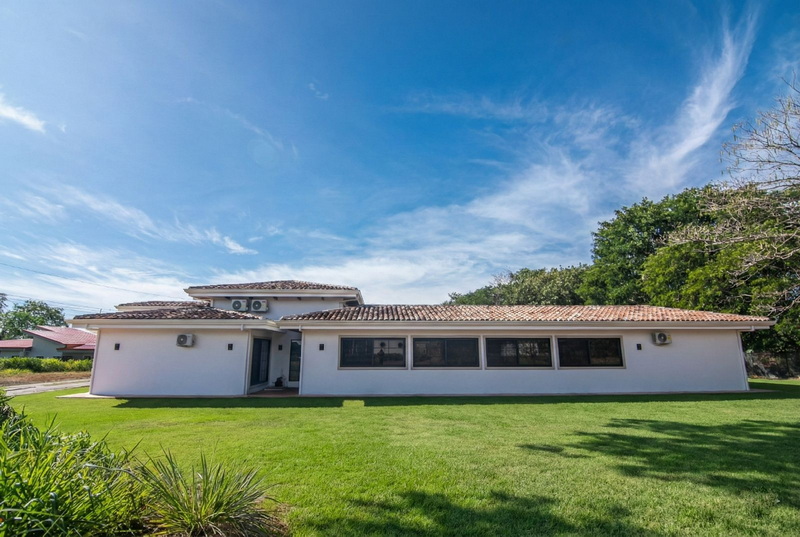
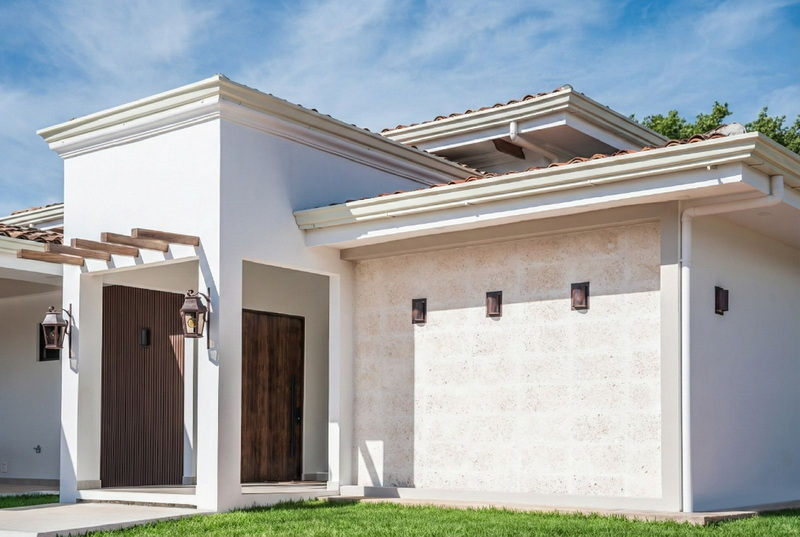
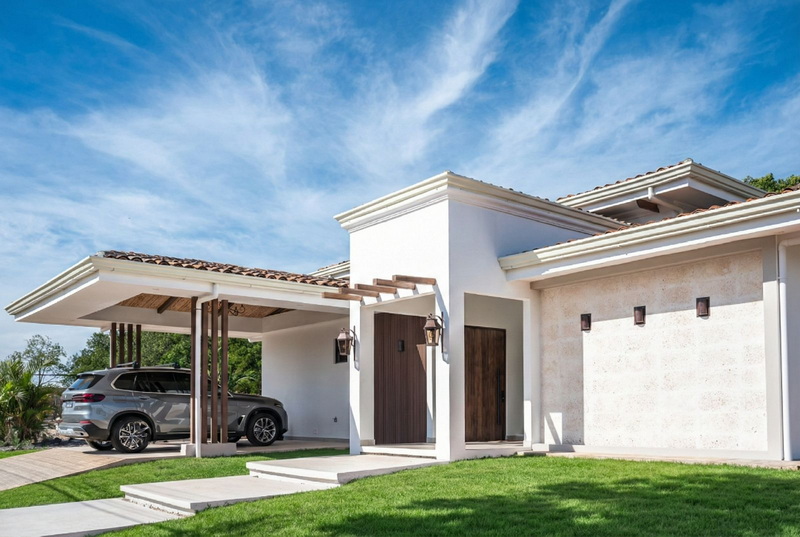
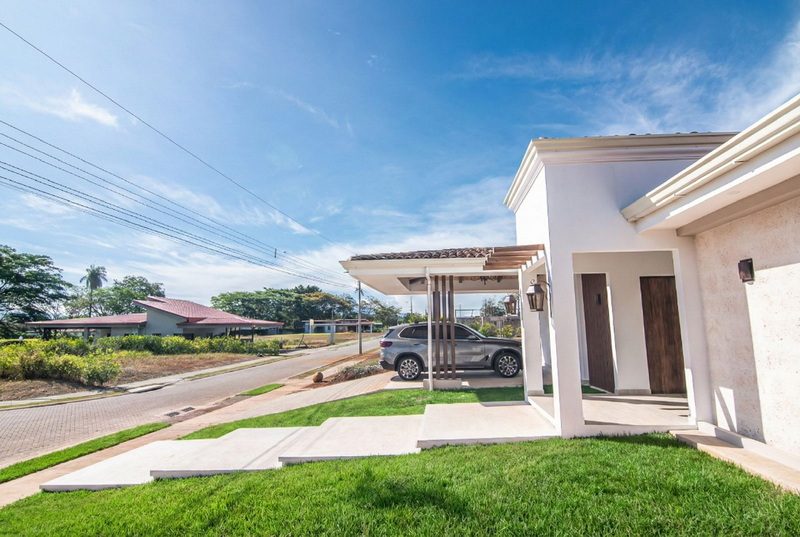
Located in the Bendinat Condominium in Esparza, MK Dreams House is a contemporary reinterpretation of the tropical hacienda house, refined into a precise, functional, and climate-conscious architecture.
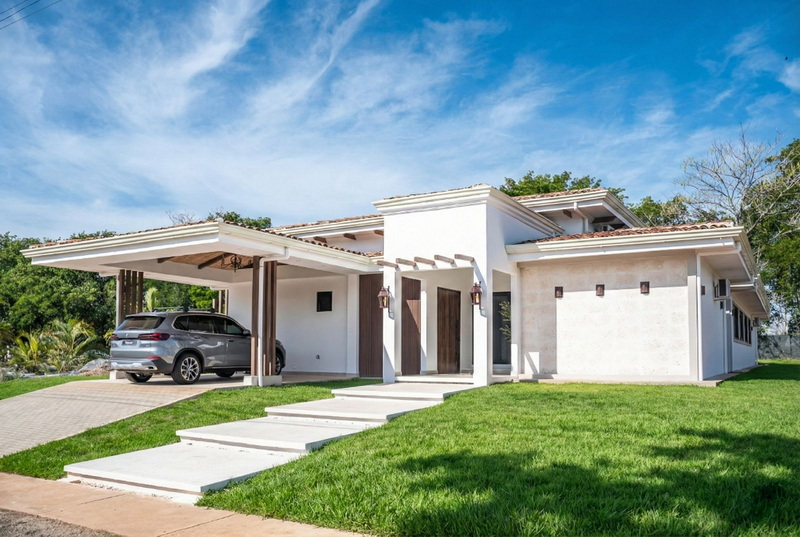
The project is structured around a U-shaped floor plan, conceived as a bioclimatic device that organizes the residence around a central void. This configuration promotes cross-ventilation throughout all spaces, creates an interior microclimate, and establishes a constant relationship between architecture, garden, and daily life.
The social area is positioned at the heart of the project as a continuous space of approximately 80 m², defined by a double height of up to 16 feet. This condition enhances spatial amplitude and activates the chimney effect, facilitating the evacuation of warm air and naturally maintaining a fresh interior atmosphere. The openings on all four sides consolidate constant ventilation and balanced daylight throughout the day.
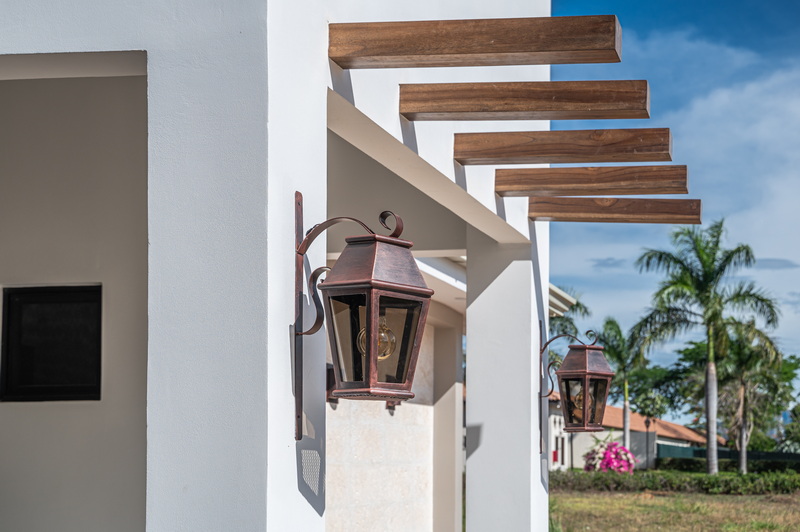
The materiality combines natural coral stone, wood, iron, and Venetian stucco finishes in a matte micro-concrete style, achieving a balance between texture, warmth, and contemporaneity — a selection that responds to both aesthetic intention and durability in the tropical climate.
Project Information
- Location: Condominio Bendinat, Esparza, Costa Rica
- Year: 2025
- Typology: Single-Family Residence
- Social Area: ~80 m², double height up to 16 ft
- Layout: U-shaped bioclimatic floor plan
- Materials: Natural coral stone, wood, iron, Venetian stucco / micro-concrete
- Climate Strategy: Cross ventilation at all orientations, chimney effect, central garden microclimate
Gallery





Tsay Apartments
Puntarenas Centro, Costa Rica — 2025
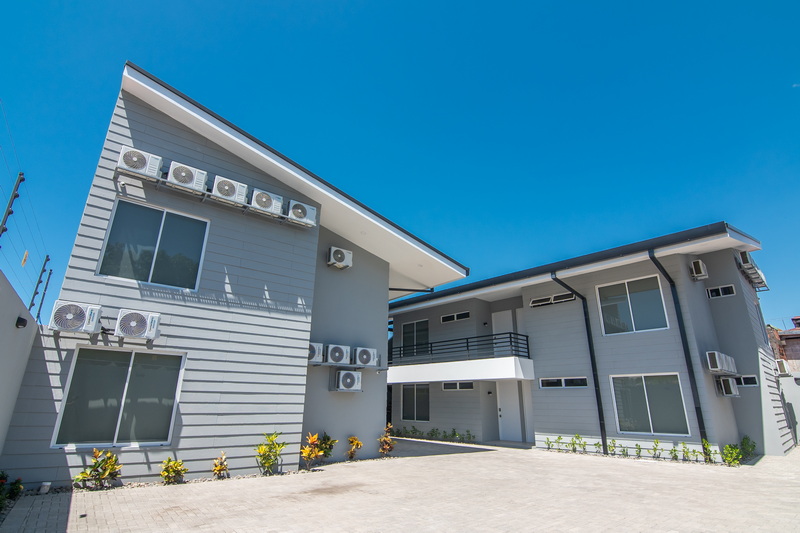
Tsay Apartments is born from a clear premise: achieving maximum spatial efficiency in compact units without sacrificing comfort, ventilation, privacy, or architectural quality. Located in Puntarenas Centro, the project responds to a functional and commercial logic designed for rental and platforms such as Airbnb, where every decision directly impacts the user experience.
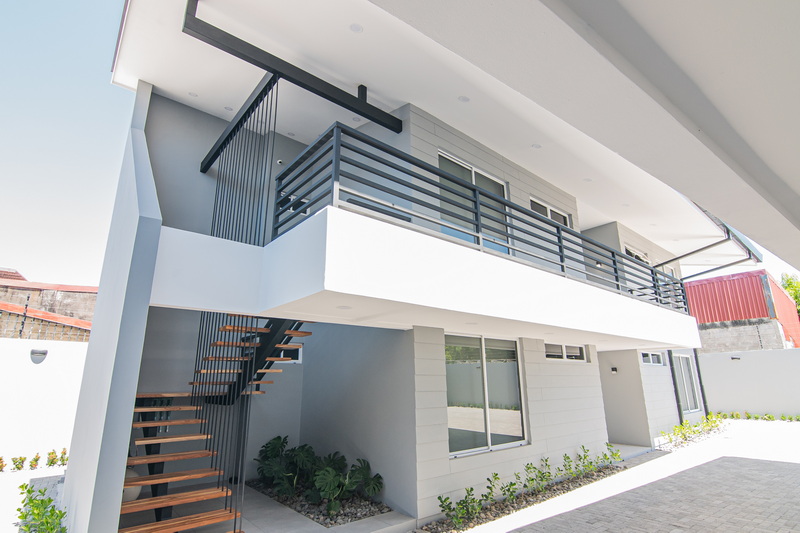
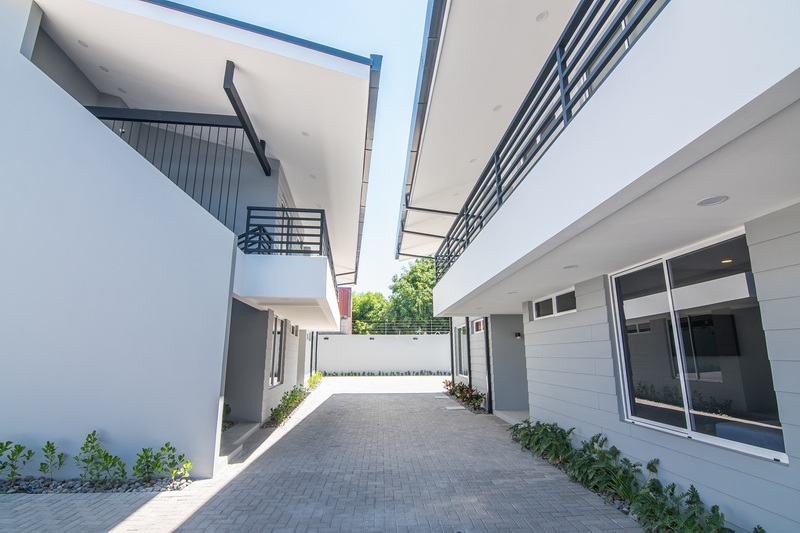
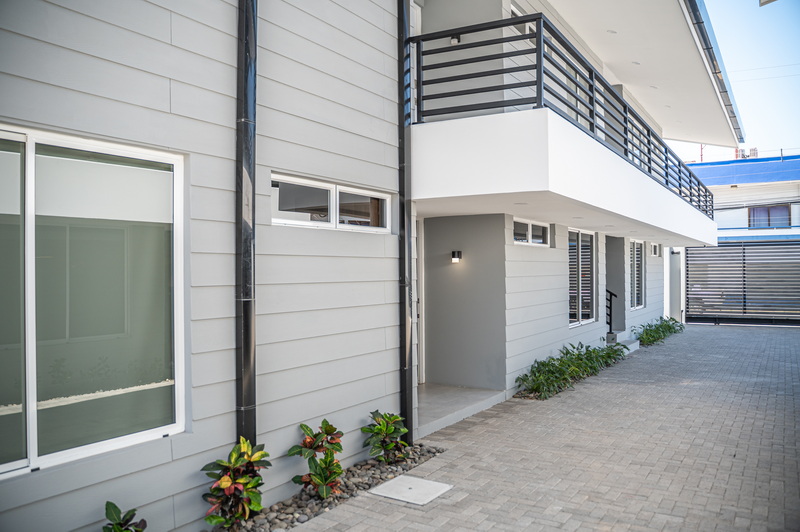
The complex is organized in two independent modules — one of four and one of six apartments — for a total of ten units distributed across two levels. The architecture incorporates internal patios and voids that allow natural ventilation in both the social areas and the interior-facing bedrooms, functioning as bioclimatic chimneys.
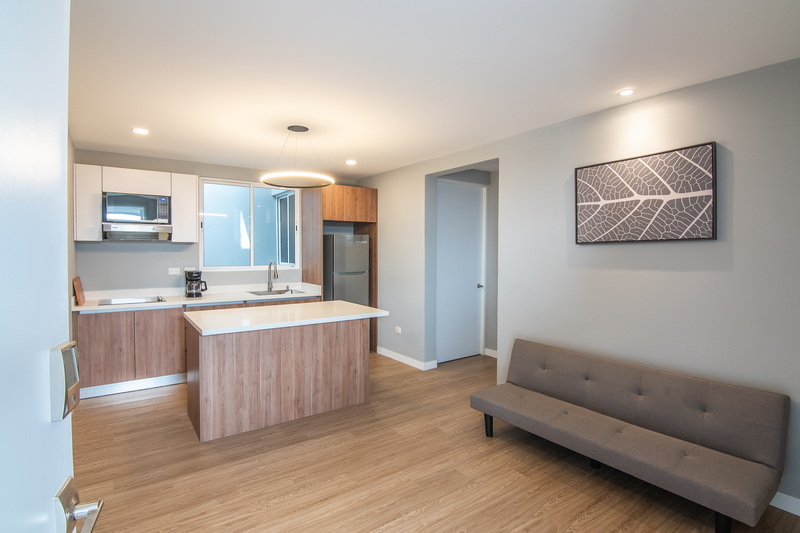
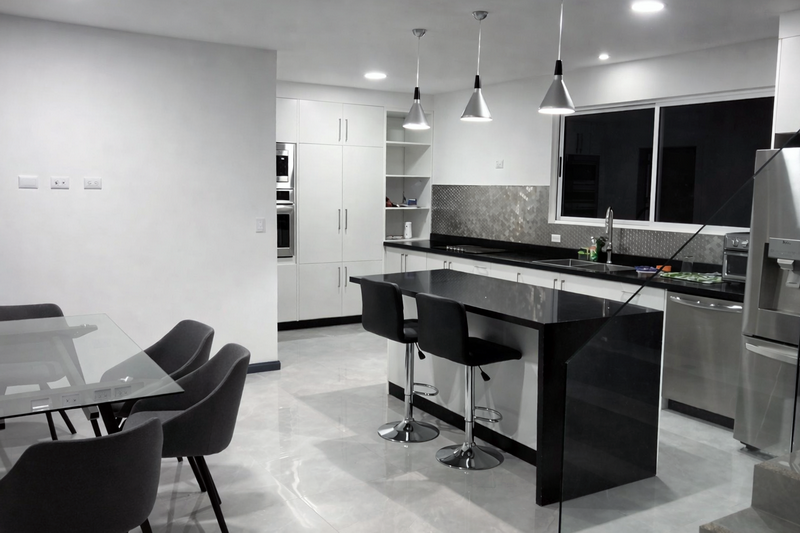
Each apartment is conceived as a compact but complete unit. The layout integrates kitchen and living room in a single continuous space, where a central island assumes multiple functions: preparation, storage, and dining. The absence of a traditional dining room frees up usable area and enhances the spatial perception.
Privacy is addressed not only through the layout, but also through constructive solutions that significantly reduce sound transmission between units — both horizontally and vertically — guaranteeing acoustic independence and improving the quality of experience for each resident.
Project Information
- Location: Puntarenas Centro, Costa Rica
- Year: 2025
- Typology: Short-Term Rental Apartments
- Units: 10 apartments — 2 modules: 4 + 6 units
- Climate Strategy: Internal patios as bioclimatic chimneys, solar orientation, passive cooling
- Special Feature: Acoustic insulation between units (horizontal and vertical)
Gallery