Commercial

Isla Cocos
Puntarenas, Costa Rica — Design 2013 / Construction 2014
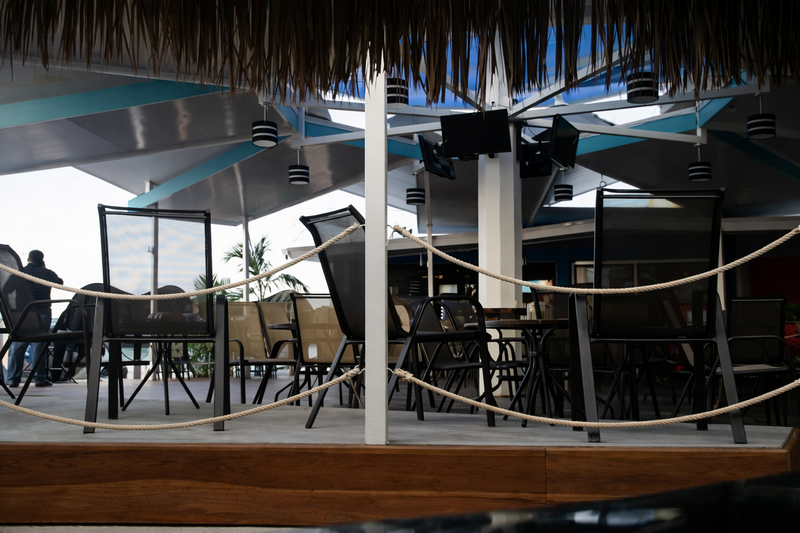
Isla Cocos is an emblematic project located on the coastal promenade of Puntarenas, near the lighthouse and facing the estuary and mangroves. From its conception, the project sought to integrate with the existing ecosystem. The original site was covered by mature trees generating dense natural shade, which inspired the initial concept: "Green Umbrella."
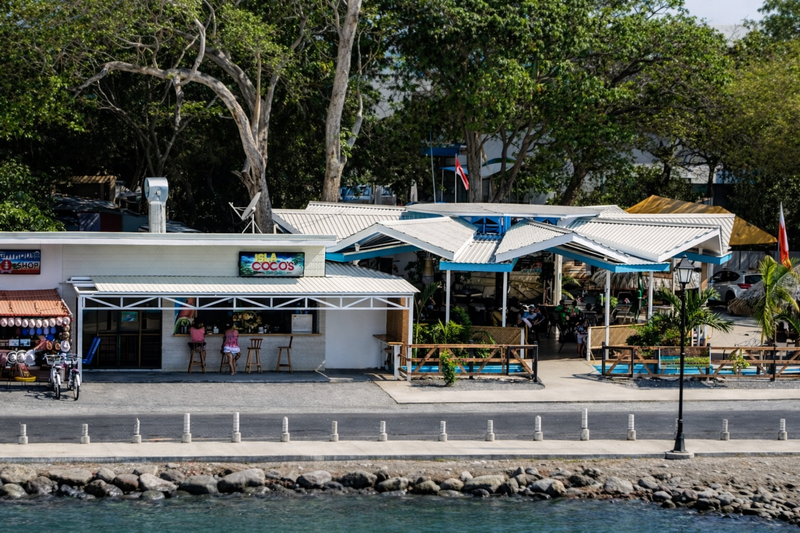
Prior to design, a study was conducted with biologists to evaluate the health of the trees and determine which could be preserved. The architecture was then organized around them, allowing the existing landscape to define the building's placement.
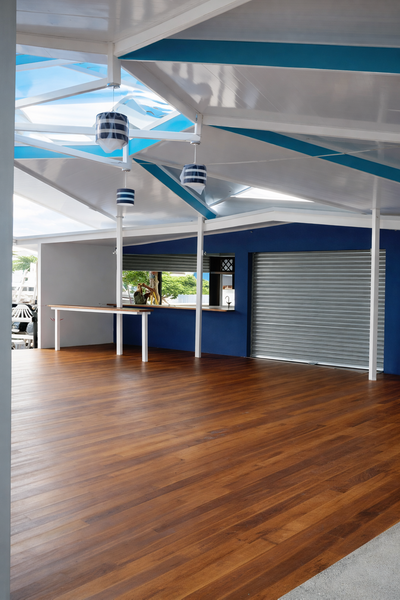
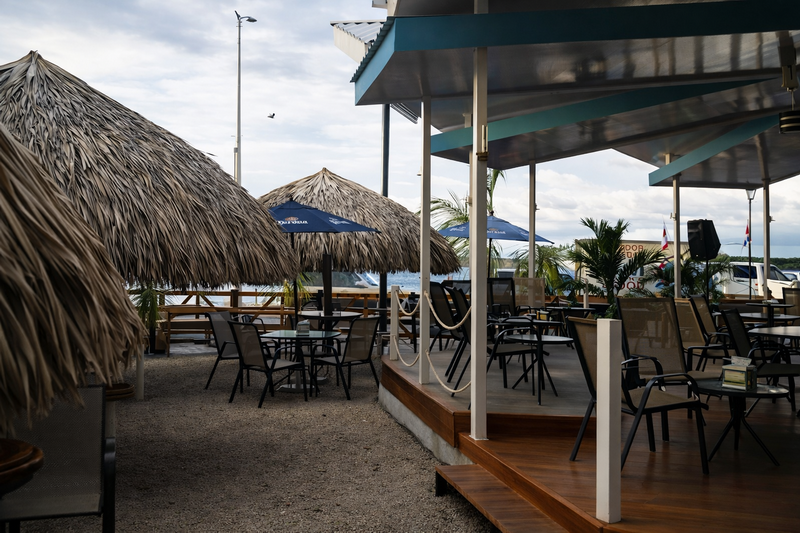
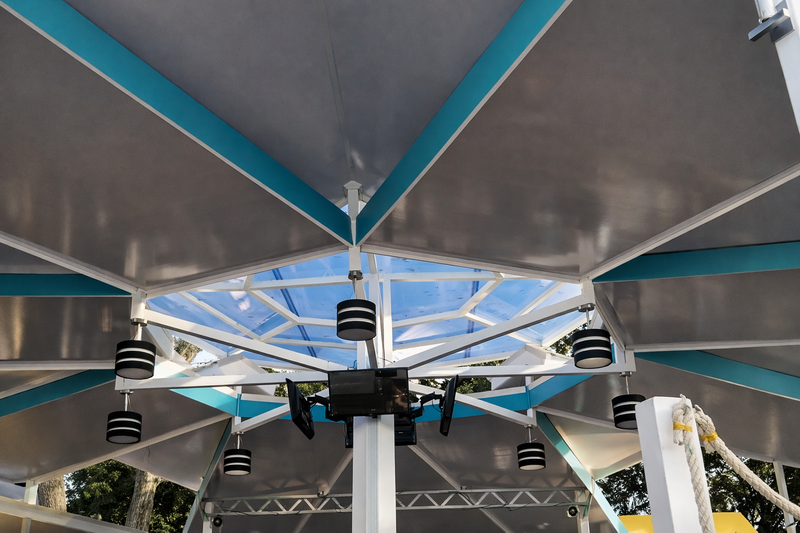
The main kiosk is structured around a central column that evokes a tree, from which an octagonal roof unfolds as a large architectural umbrella. The project uses local materials such as wood, natural palm, and recycled elements sourced from the beach.
Elevated on stilts and with wide overhangs, the building minimizes ground impact and creates an open, fresh space deeply connected with the coastal landscape of Puntarenas.
Project Information
- Location: Puntarenas, Costa Rica
- Design: 2013 / Construction: 2014
- Typology: Commercial / Coastal Kiosk
- Concept: Green Umbrella
- Materials: Wood, natural palm, recycled beach elements
- Strategy: Elevated on stilts, minimal ground impact, existing tree preservation
Gallery





Lunarossa
Puntarenas, Costa Rica
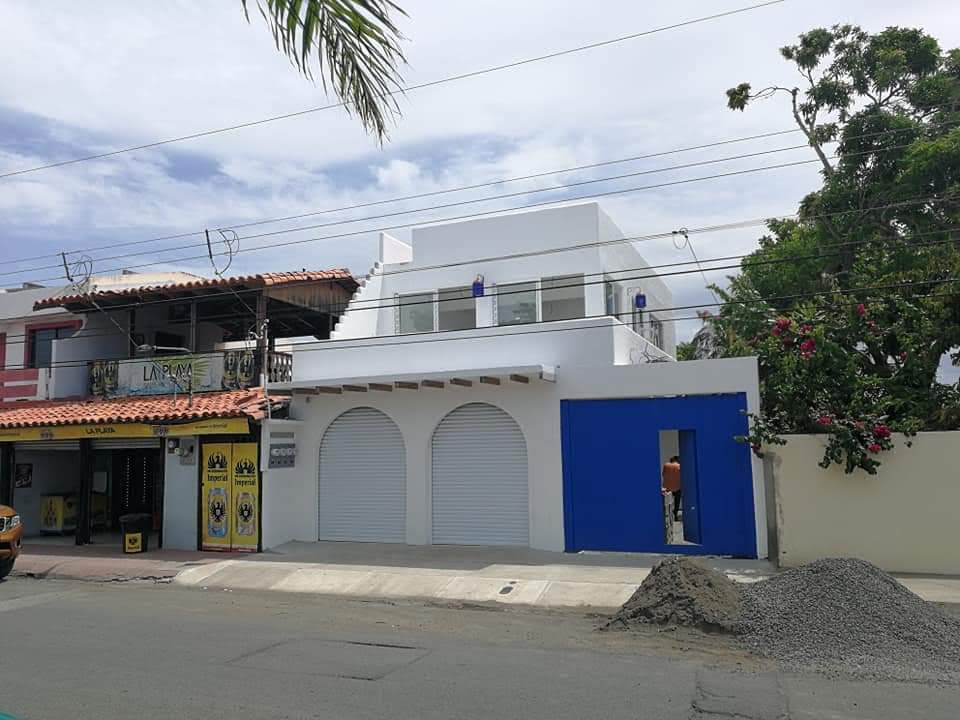
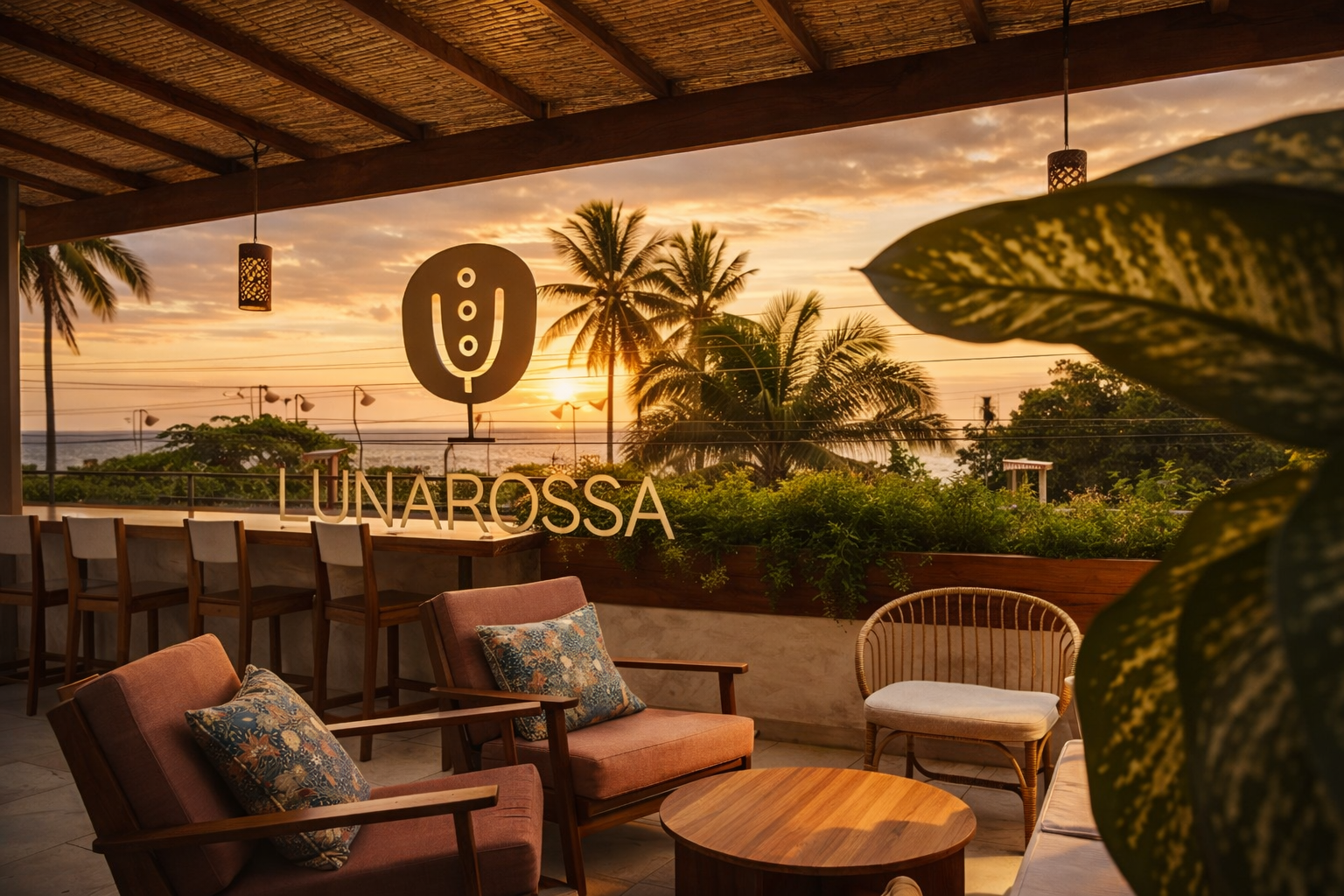
Lunarossa is a project born as an evolution. Originally conceived as "Súper La Playa," it transforms over time to incorporate a restaurant on its second level, consolidating as an integral space combining commerce, gastronomy, and experience.
Located oceanfront in Puntarenas, the project strategically leverages its southern orientation, capturing both open views and prevailing sea breezes. This condition generates constant cross-ventilation, where air flows from the sea into the interior and is released through lateral openings, keeping spaces cool even under demanding climatic conditions.
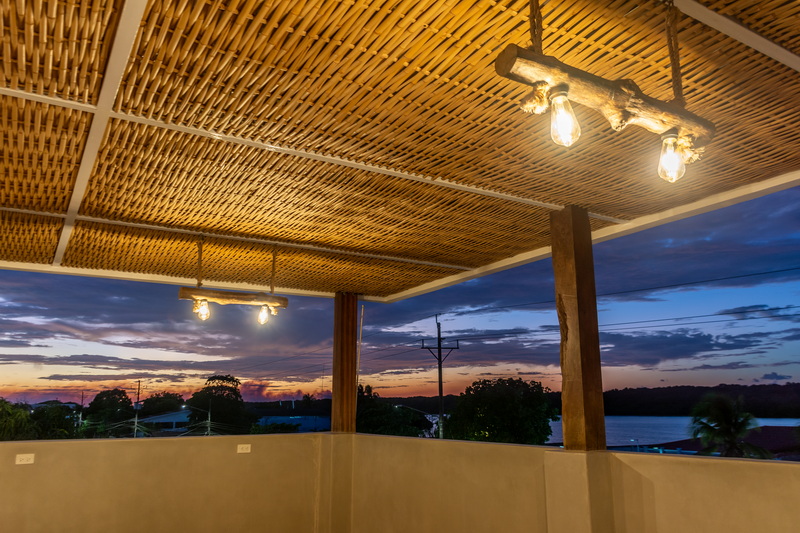
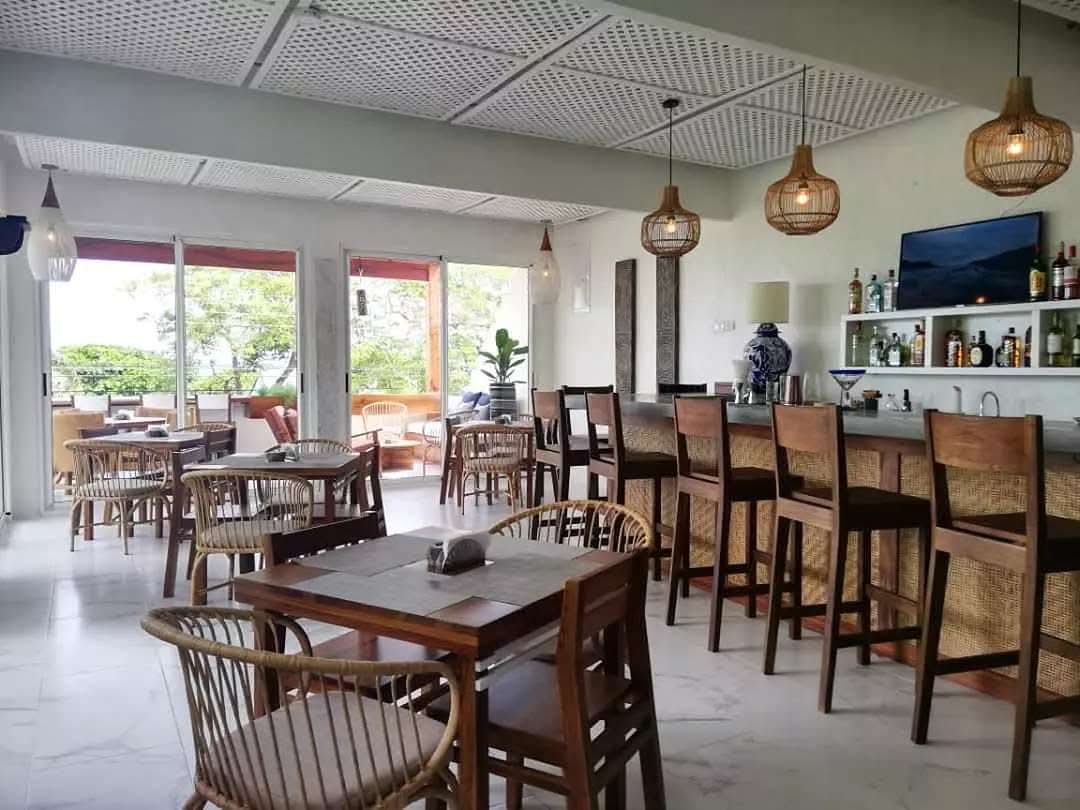
The second-level terrace becomes the heart of the project. Conceived as a covered space, it acts as a climatic filter that protects from direct solar exposure while allowing the enjoyment of its greatest attribute: spectacular Pacific sunsets.
Formally, the project adopts a Mediterranean language inspired by the coasts of Ibiza and Santorini, reinterpreted in a tropical key. White volumes, clean geometries, textured plaster finishes, and artisan details — cañabrava ceilings, an integrated bar, and natural materials — build a warm, relaxed, and authentic atmosphere. A key feature is its growth capacity: Lunarossa was conceived from the outset with provisions for three levels, allowing its evolution over time without losing its identity.
Project Information
- Location: Puntarenas, Costa Rica
- Typology: Commercial / Restaurant
- Levels: 2 completed, designed for 3
- Orientation: South — ocean views and sea breezes
- Climate Strategy: Cross ventilation, covered terrace as climatic filter
- Style: Mediterranean tropical reinterpretation
Gallery


Casa Nana
Santa Teresa, Cóbano, Puntarenas — 2025
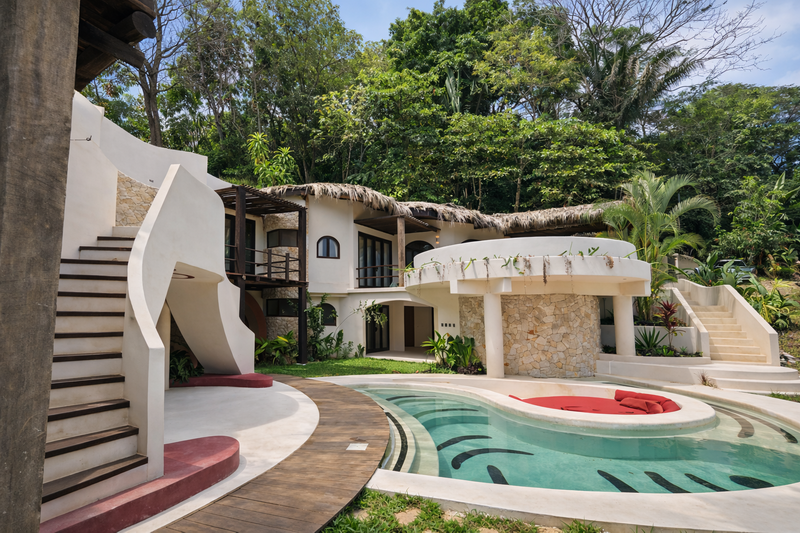
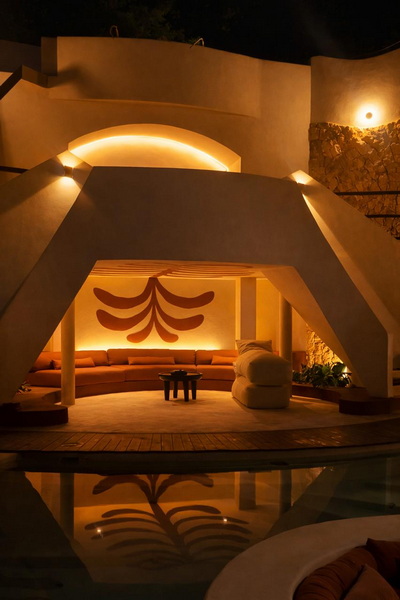
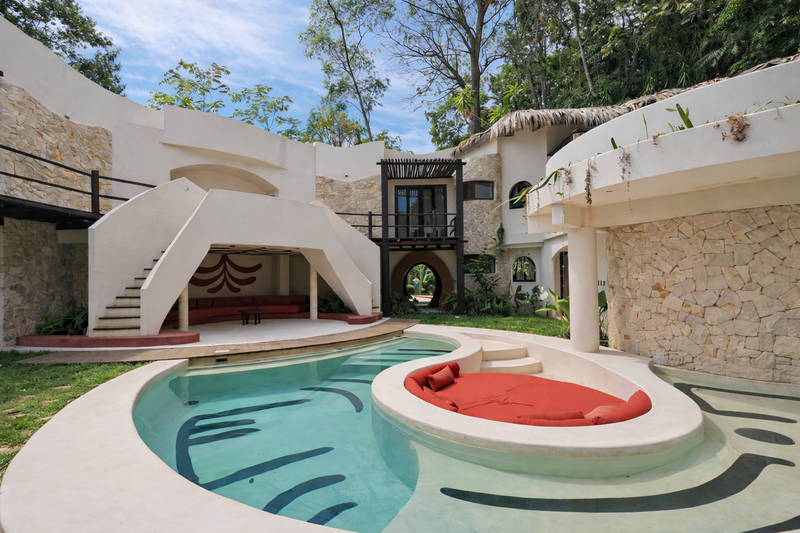
Casa Nana is a hotel project located on the coast of Santa Teresa, conceived as an architecture that integrates organically with the topography, vegetation, and tropical atmosphere of the place. The original design was developed by a Dutch architect and subsequently executed by architect Roberto Arauz, founder of BIOÁ, who led the construction process with a focus on materiality, detail, and spatial coherence.
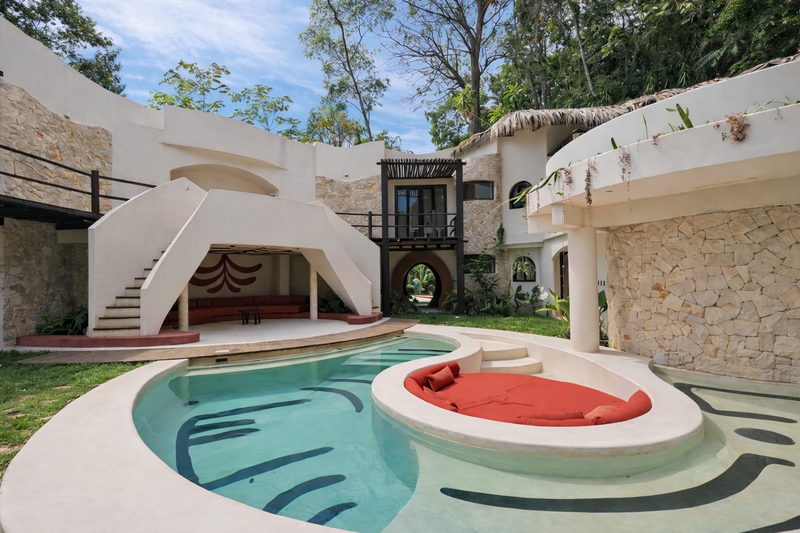
The project unfolds over the terrain as a sequence of sinuous volumes that adapt to the natural slope, generating a fluid circulation experience between open and semi-open spaces. This configuration allows the architecture to blend with nature rather than compete with it.
The material palette is one of the most distinctive elements of the project. Honest, tactile materials are used: cañabrava, wood, limestone, and slate stone, complemented with chukum finishes — imported from Tulum — on both floors and vertical surfaces. Teak and guanacaste woods with natural tints add warmth, while natural palm roofing reinforces the tropical character.
Casa Nana is the result of a unique cultural and sensorial combination: the essence of the Costa Rican coast, the nobility of its materials, and the influence of the owner's roots from the Netherlands and Ghana. The project offers a variety of wellness spaces: pools integrated into the landscape, wide terraces, a yoga shala, balconies, residential units with kitchenettes, spa areas, and direct access to the mountains.
Project Information
- Location: Santa Teresa, Cóbano, Puntarenas, Costa Rica
- Year: 2025
- Typology: Boutique Hotel / Hospitality
- Materials: Cañabrava, wood, limestone, slate, chukum, natural palm
- Features: Pool, yoga shala, spa, mountain access, ocean views
Gallery




El Roble Flex Space
El Roble, Puntarenas — 2025
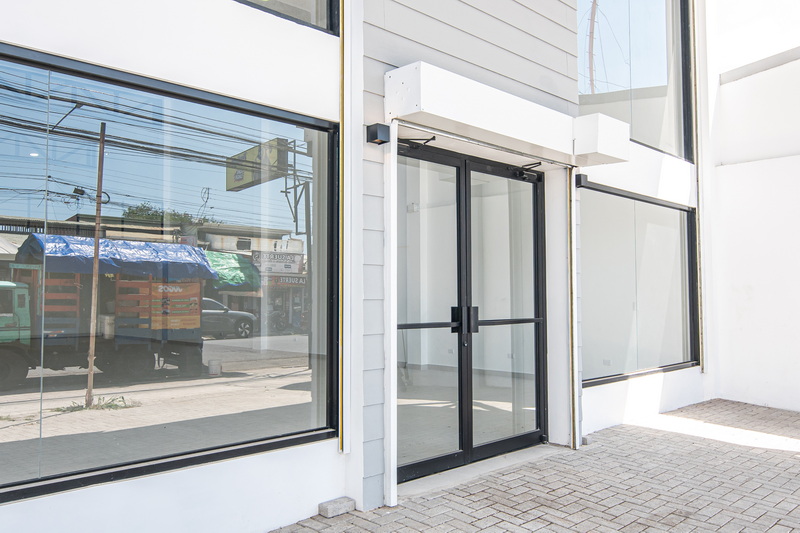
Located in El Roble, Puntarenas, this project is born from an uncommon but highly strategic premise: designing a space capable of adapting to any future use without losing efficiency, spatial clarity, or architectural character.
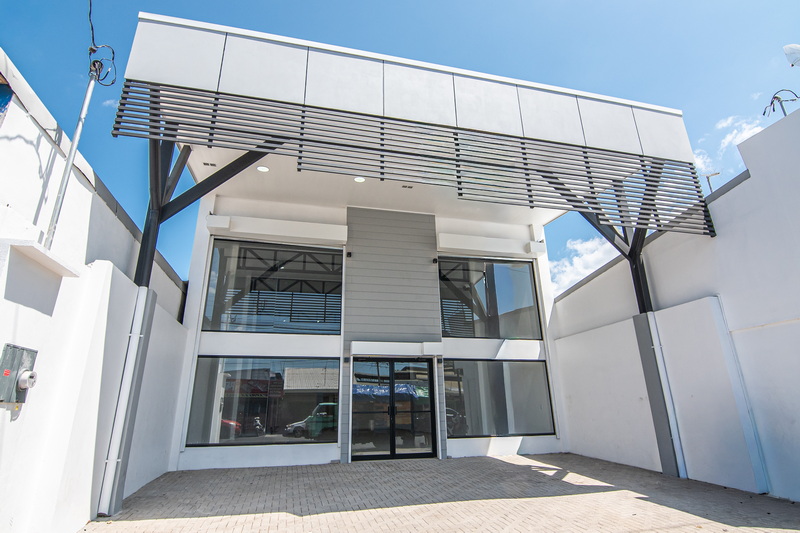
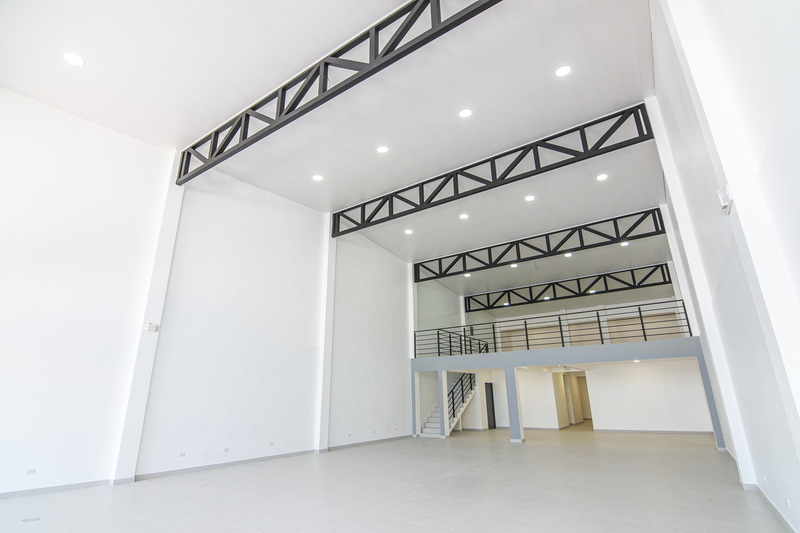
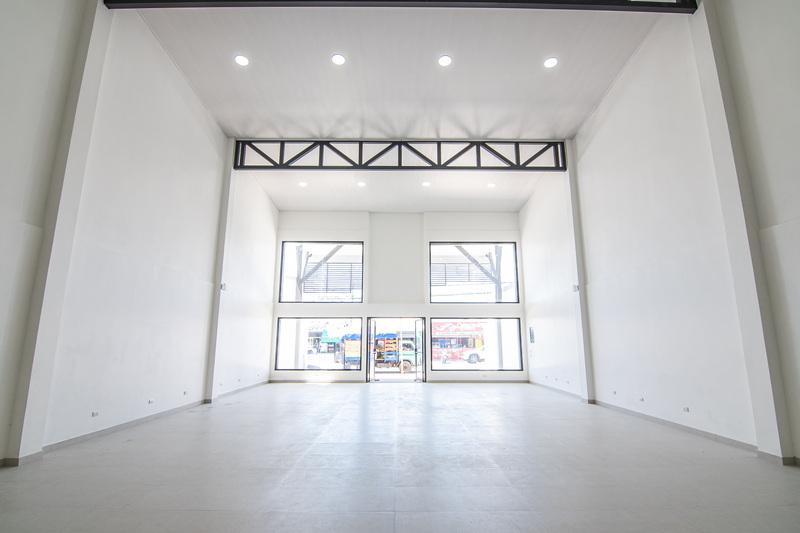
El Roble Flex Space is conceived as a flexible container, where the architecture does not impose a specific program but allows multiple configurations over time. Its essence lies in adaptability: a space designed to transform according to user needs — whether as a commercial space, institutional offices, or any other use the market demands.
The project takes advantage of 100% of the available terrain, maximizing its built footprint and optimizing every square meter. A six-meter floor-to-ceiling double height generates a wide, open, and versatile spatiality. Internally, a mezzanine-level second floor functions as an observation and visual control platform for the main space.
The structure and installations were designed with an anticipatory logic. The building includes all necessary provisions for different use scenarios — electrical, mechanical, hydraulic, and air conditioning points — allowing future adaptations without invasive interventions. Solar shading and the upper envelope provide climate control and façade depth.
Project Information
- Location: El Roble, Puntarenas, Costa Rica
- Year: 2025
- Typology: Flex / Commercial Space
- Floor-to-Ceiling: 6 m double height
- Feature: Mezzanine level, 100% lot coverage
- Climate Strategy: Parasols for solar control, anticipatory MEP provisions
Gallery




Maes Grill
Costa Rica
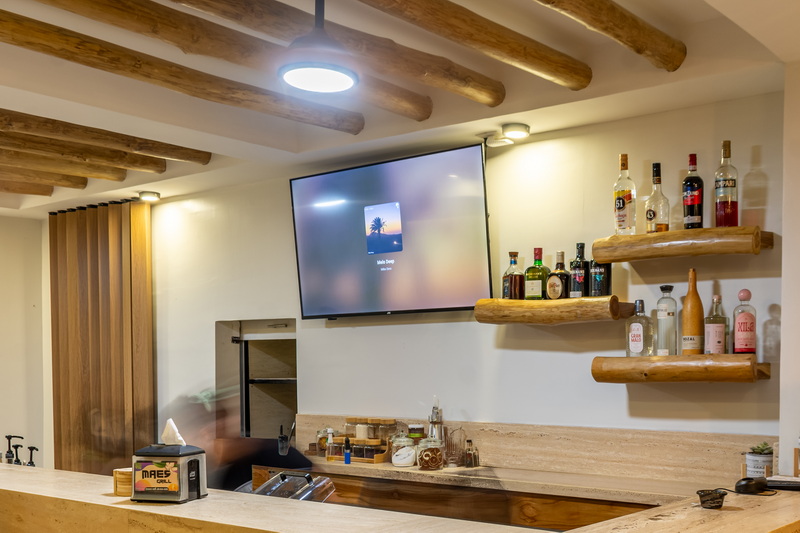
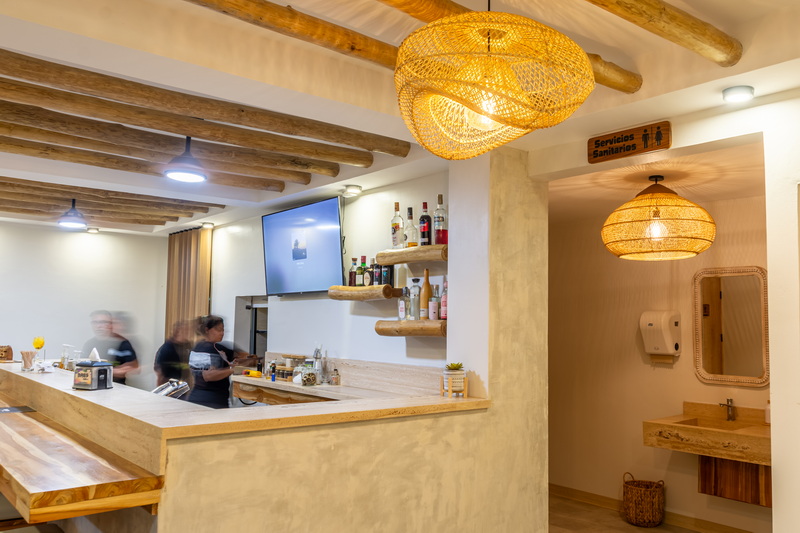
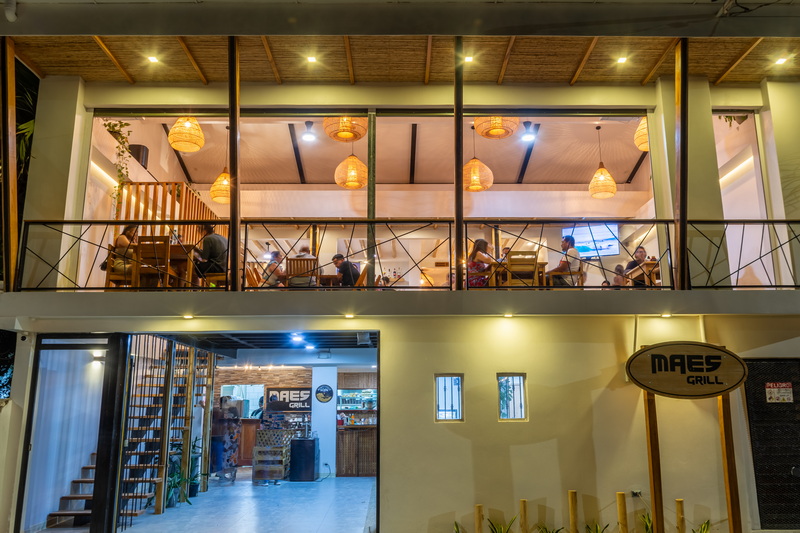
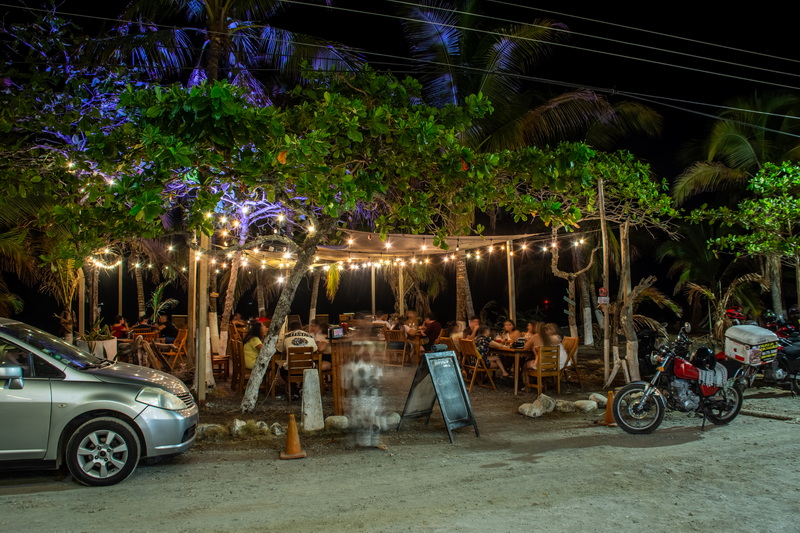
Maes Grill is a commercial project developed by BIOÁ, conceived as a space for gathering around food and fire. The project embraces an atmosphere that balances warmth, craftsmanship, and character, creating an experience anchored in authentic materials and thoughtful spatial design.
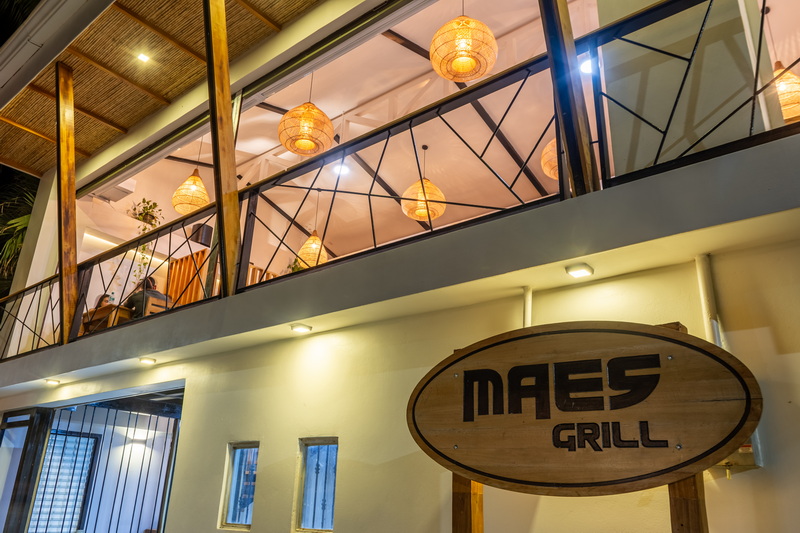
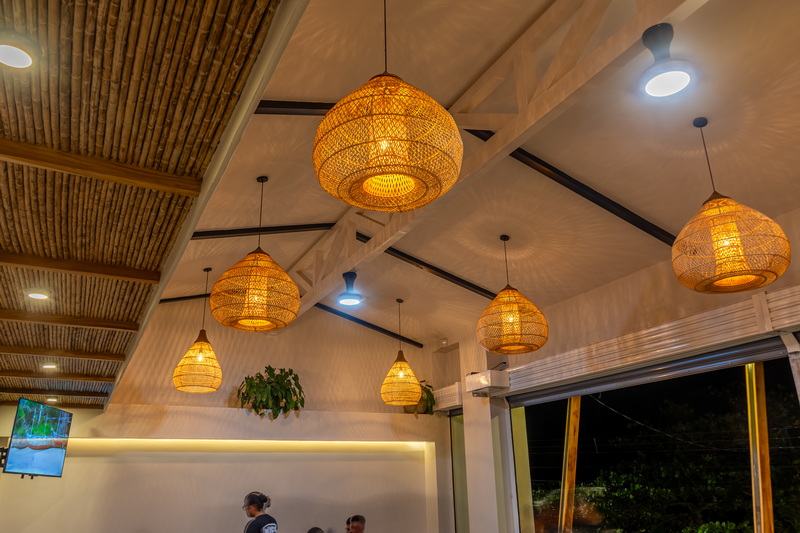
The design strategy prioritizes comfort and ambiance, creating zones that feel intimate without being enclosed. The spatial organization encourages natural flow between the bar, dining, and grill areas while maintaining distinct experiential qualities in each zone.
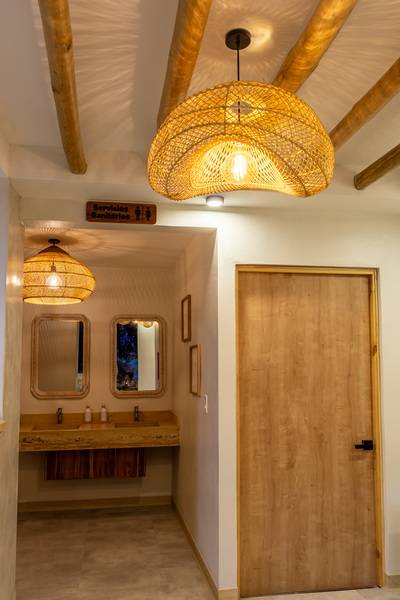
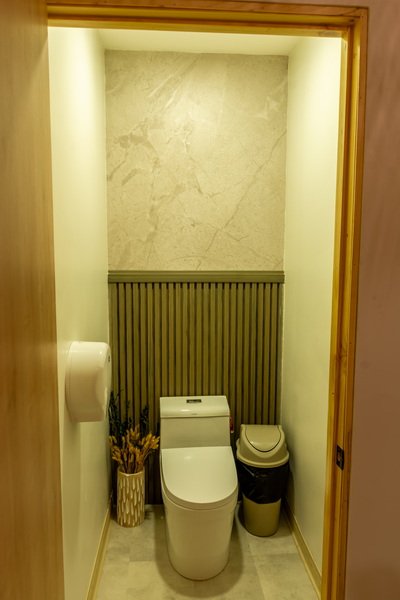
The material selection reflects the project's identity: raw textures, natural wood, and honest finishes combine to create an environment that feels lived-in and genuine from the first visit.
Project Information
- Location: Costa Rica
- Typology: Restaurant / Commercial
- Services: Architectural design, interior design
Gallery







Japandi Las Playas 2022
El Cocal, Puntarenas — Stage 1 of 3
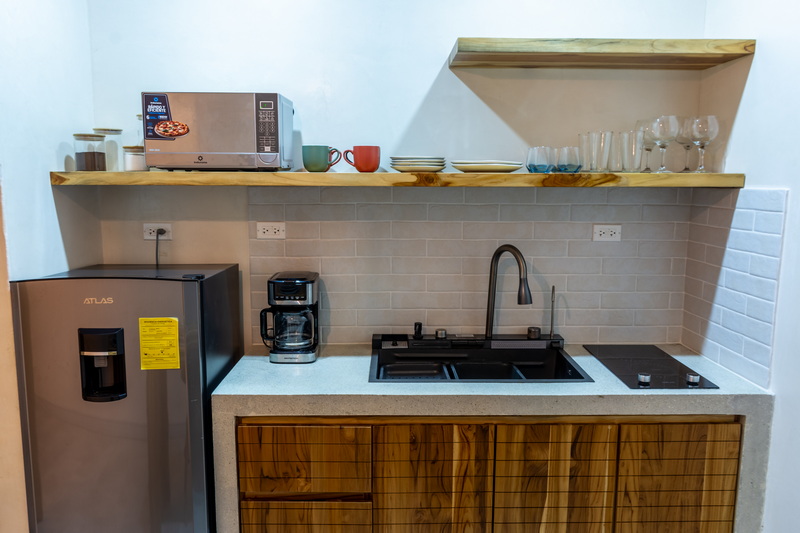
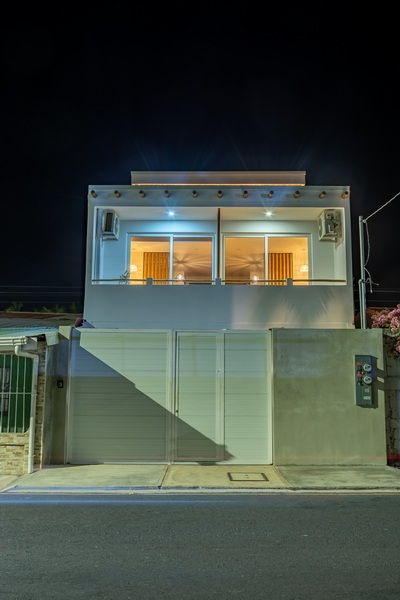
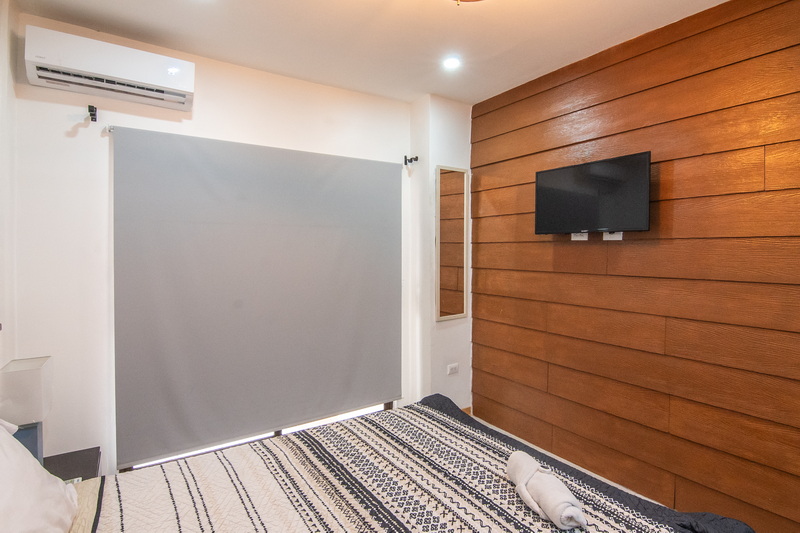
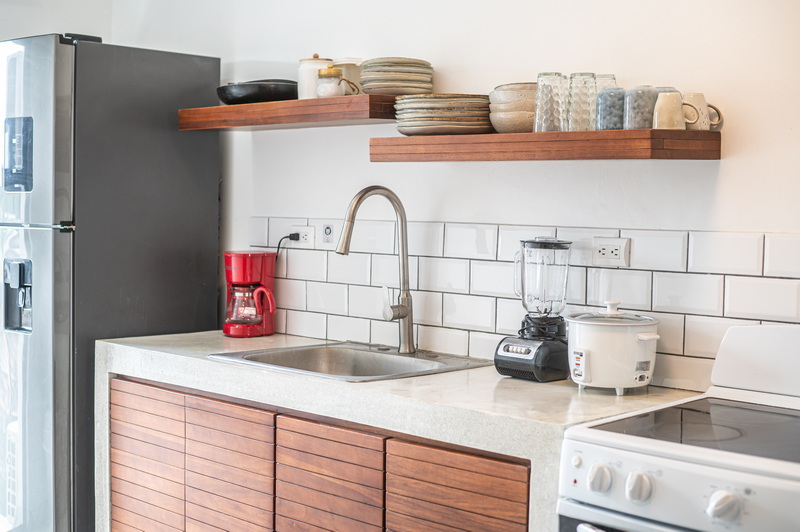
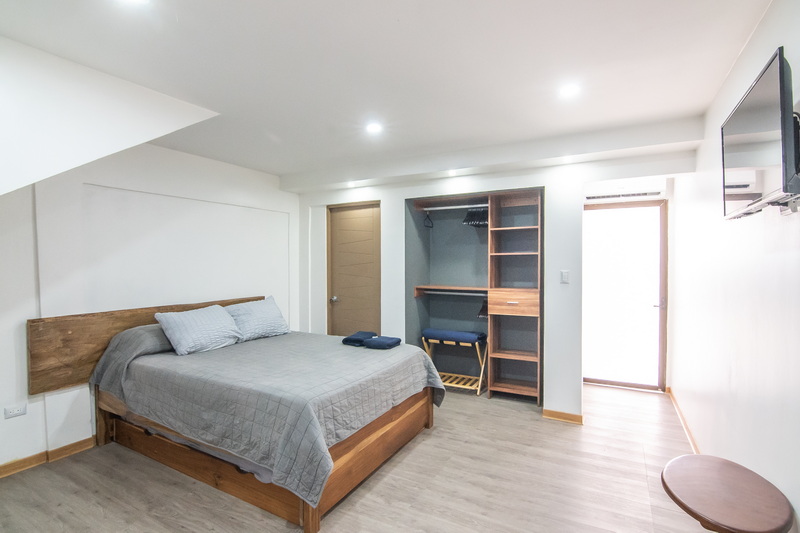
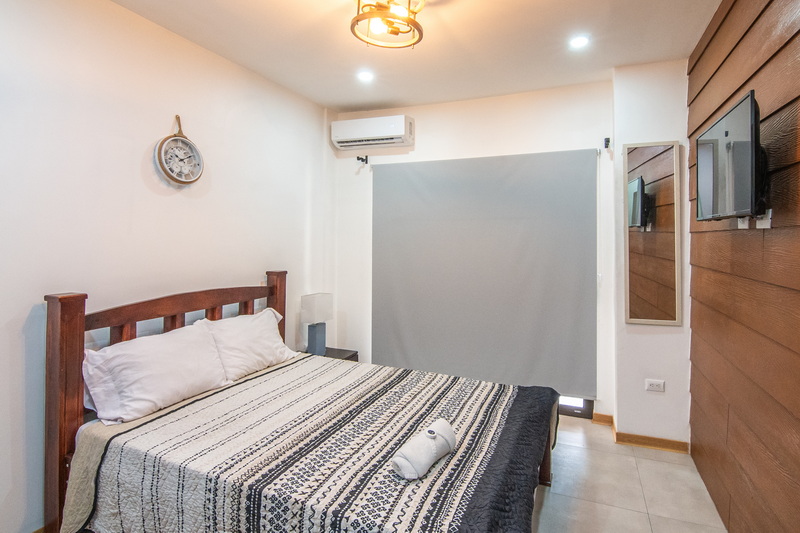
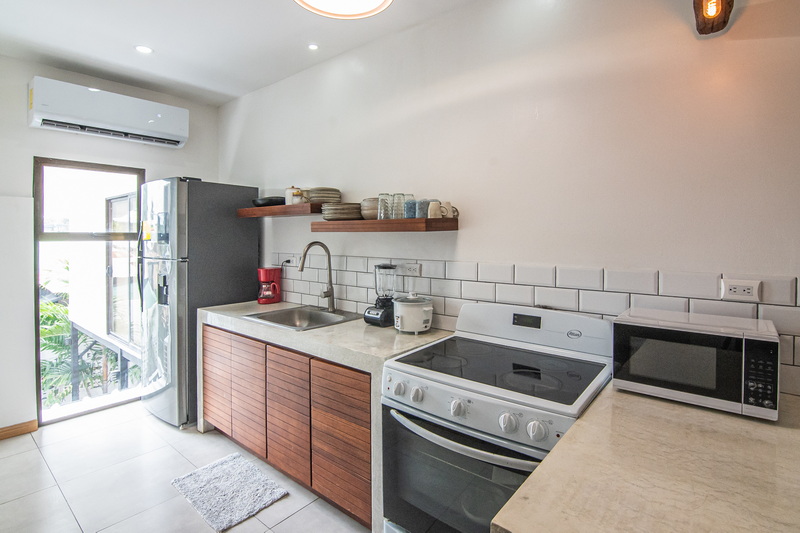
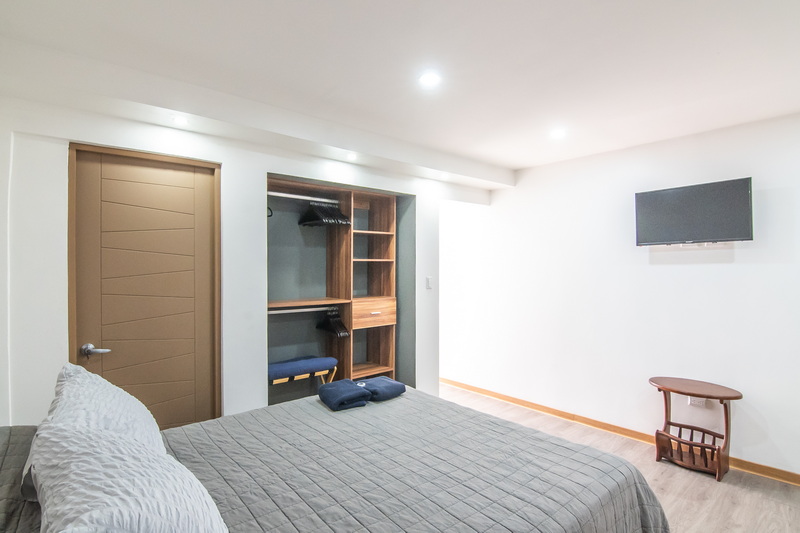
This set of four apartments forms part of the Japandi Las Playas complex, conceived as the first stage of an integral intervention that will develop in three phases. The project is born from the rehabilitation of an existing structure — a former tenement in a state of abandonment — transformed into habitable, spacious, and dignified spaces.
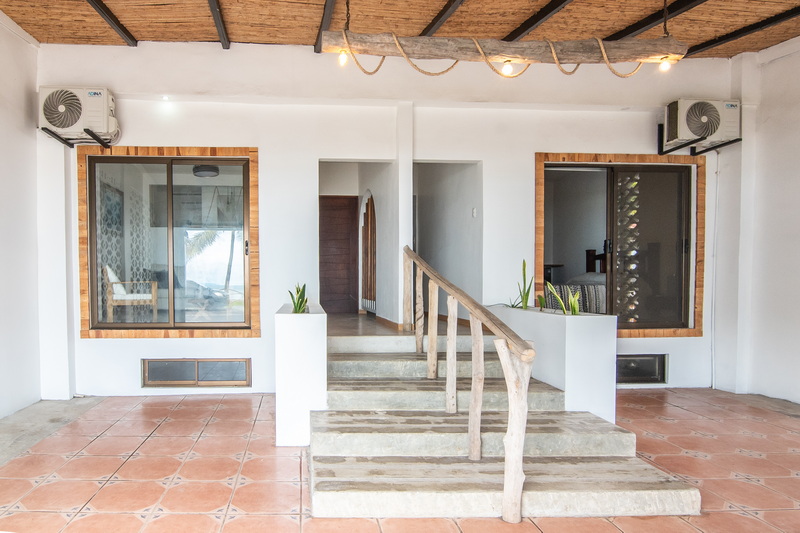
The spatial strategy responds directly to the site. The building opens from south to north, allowing the sea breeze to flow naturally, generating thermal comfort and spatial quality without excessive dependence on mechanical systems. Light and wind are not designed — they are recognized and harnessed.
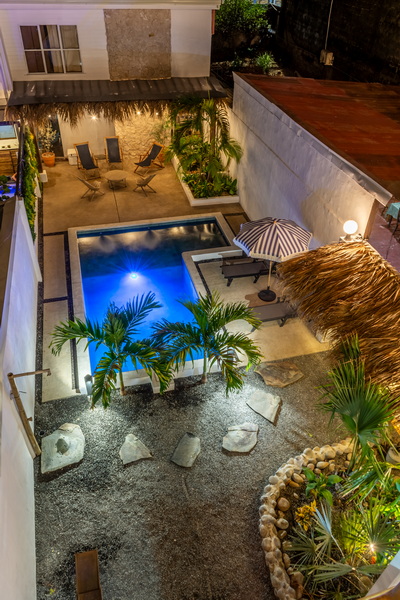
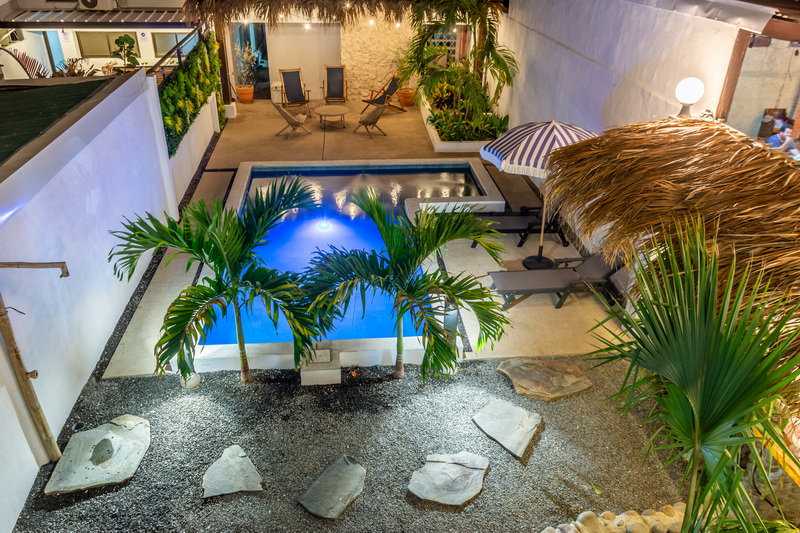
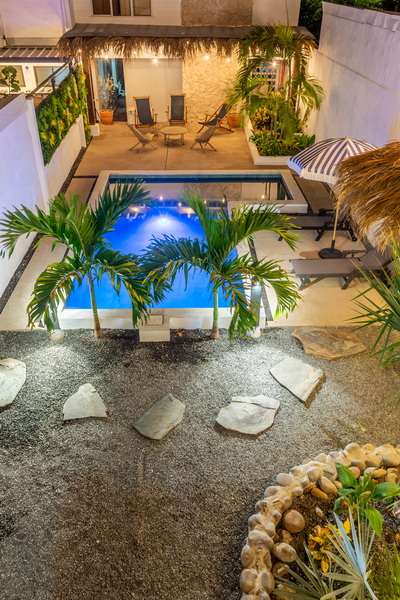
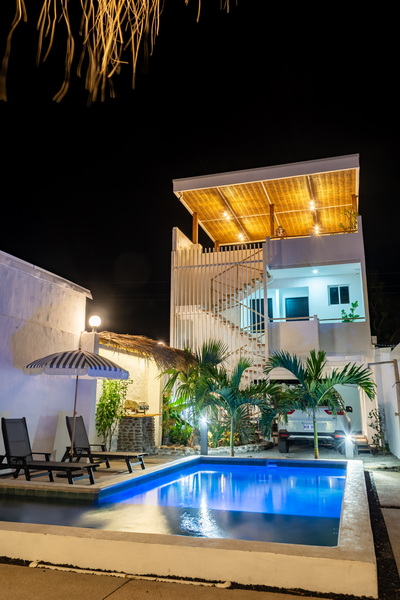
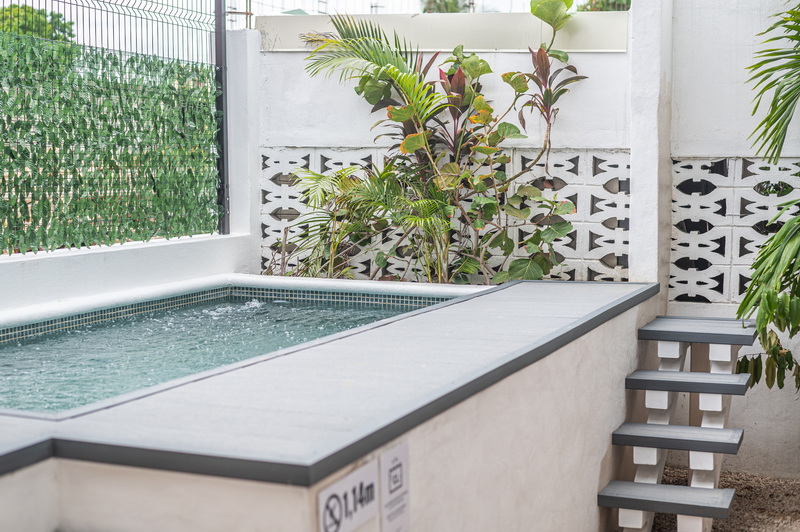
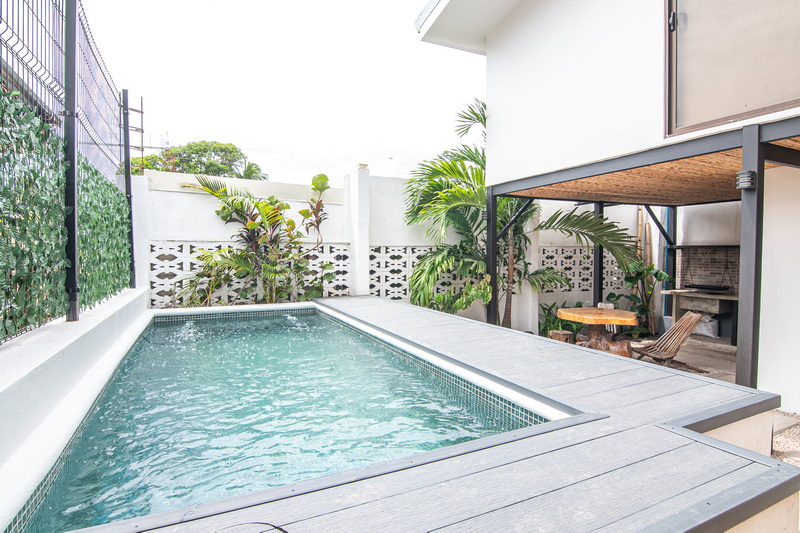
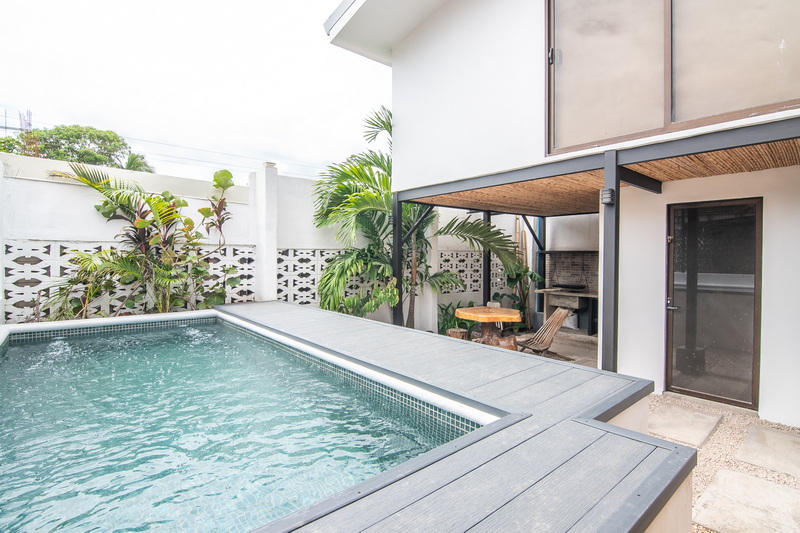
The apartments, though compact, feel generous thanks to their relationship with the exterior. A white terrace with a pool articulates the complex, becoming a communal space where water, vegetation, and the coastal atmosphere build an experience of rest and connection.
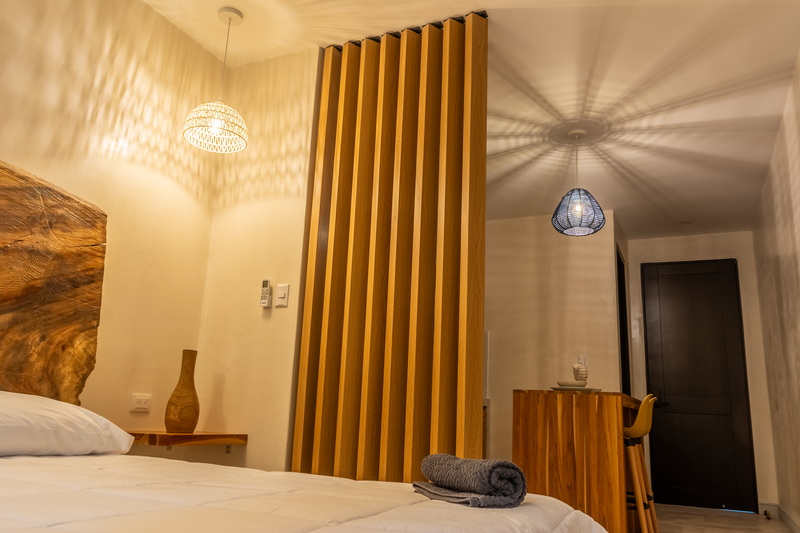
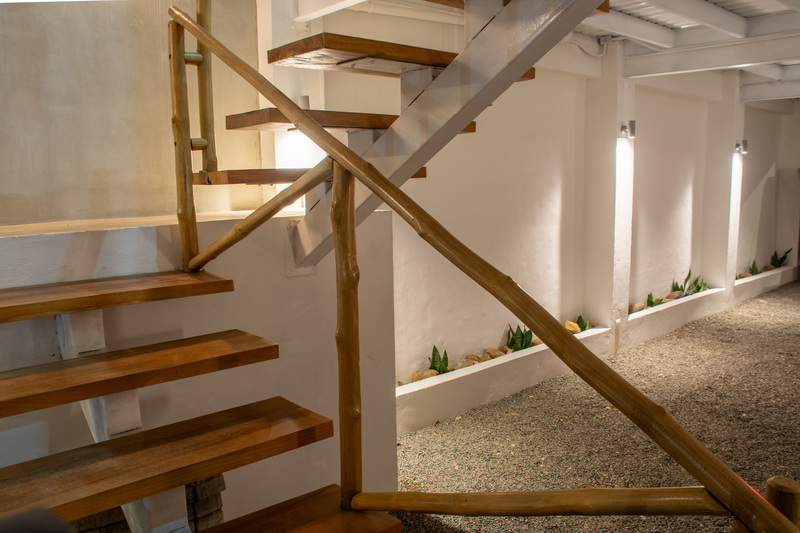
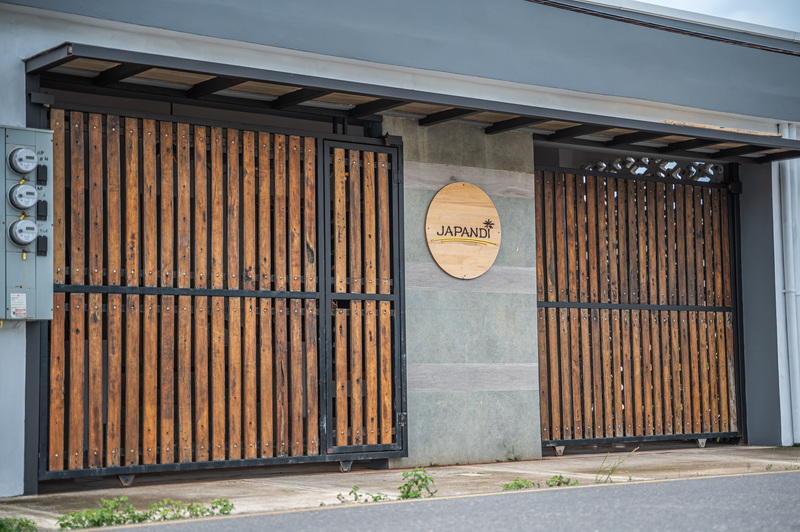
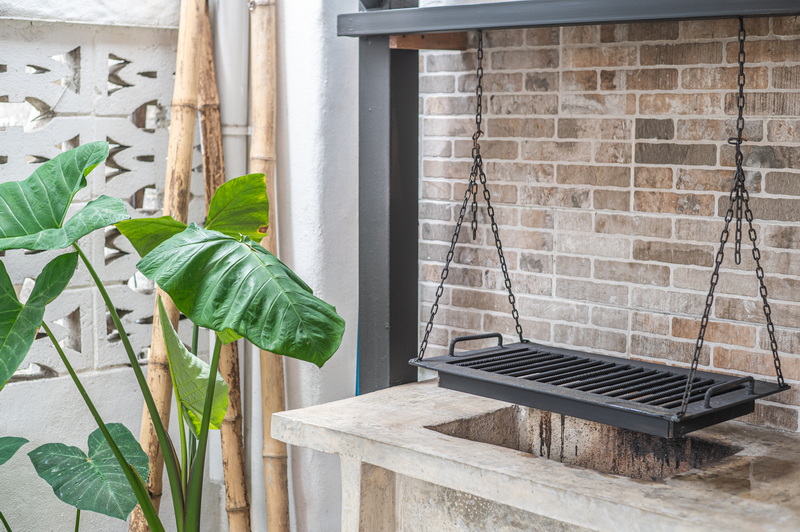
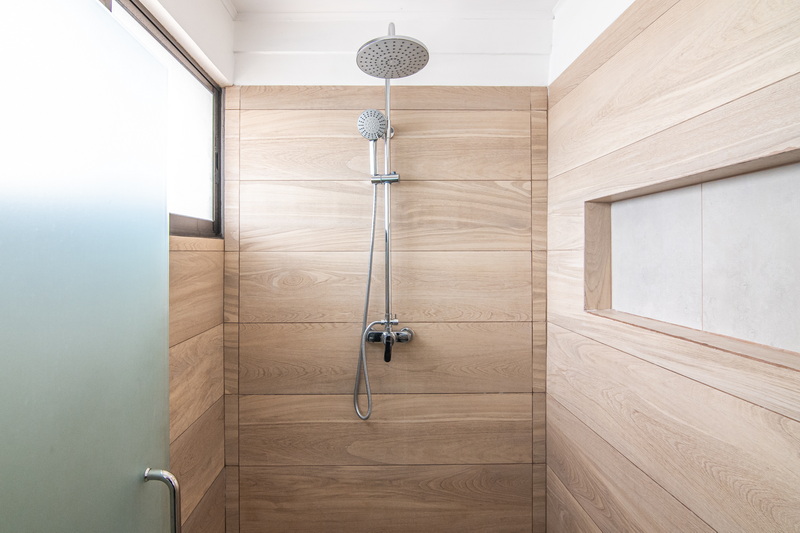
The material language draws on reuse and honesty: existing and natural materials such as beach wood — cured by time and the sea — stone, and humidity-treated surfaces are integrated. Imperfections are not corrected; they are organized under a Wabi-Sabi logic, where the authentic defines the aesthetic. This project introduces a Japandi Tropical — a reinterpretation of Japanese-Nordic balance adapted to the coastal climate.
Project Information
- Location: El Cocal, Puntarenas, Costa Rica
- Stage: 1 of 3
- Typology: Renovation / Apartments
- Units: 4 apartments
- Concept: Japandi Tropical — Wabi-Sabi
- Climate Strategy: South-to-north orientation, sea breeze flow, natural ventilation
- Materials: Recycled beach wood, stone, humidity-treated surfaces
Gallery









Las Islas Japandi — Stage 2 of 3
El Cocal, Puntarenas — 2026
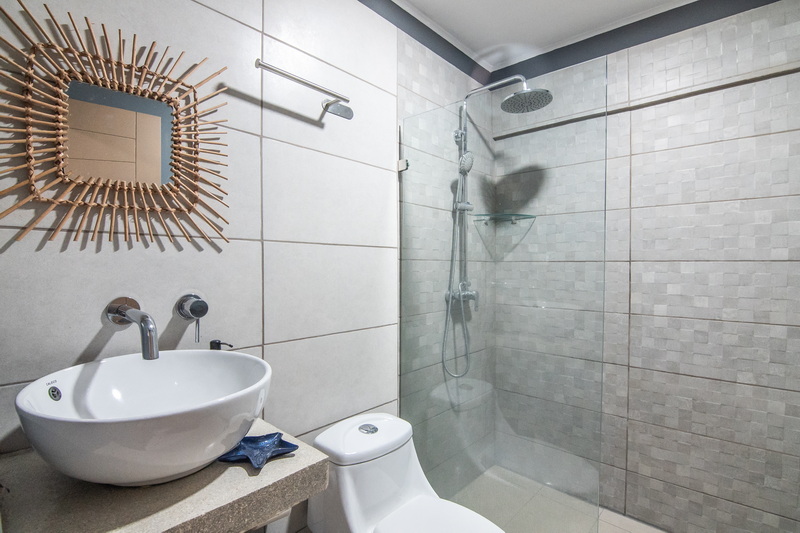
Las Islas Japandi is a set of two compact residential units — Isla Tortuga and Isla San Lucas — forming part of the Japandi Apartments complex, conceived to inhabit the tropics from a place of calm, efficiency, and deep connection with the surroundings.
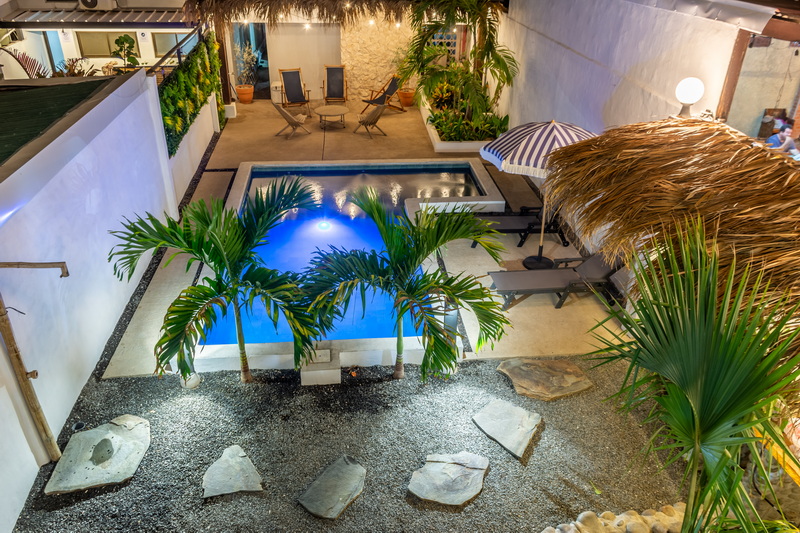
Located in El Cocal de Puntarenas, the project develops on a privileged site where orientation, sea breeze, and natural light already define an ideal condition. Here, architecture does not impose strategies: it recognizes them and amplifies them, allowing cross-ventilation and natural lighting to occur inherently.
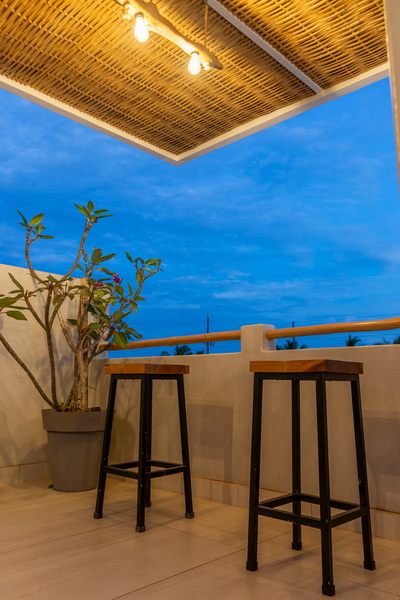
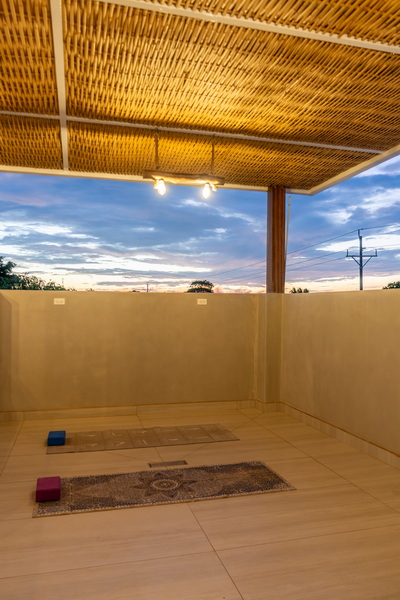
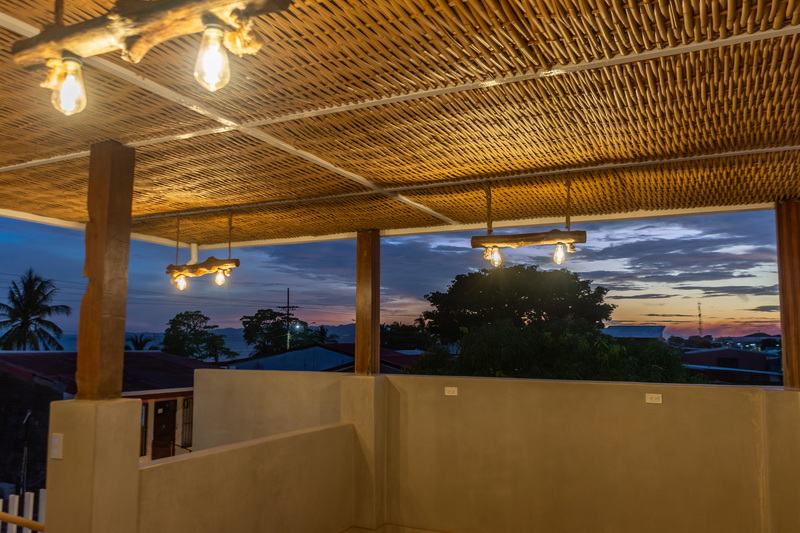
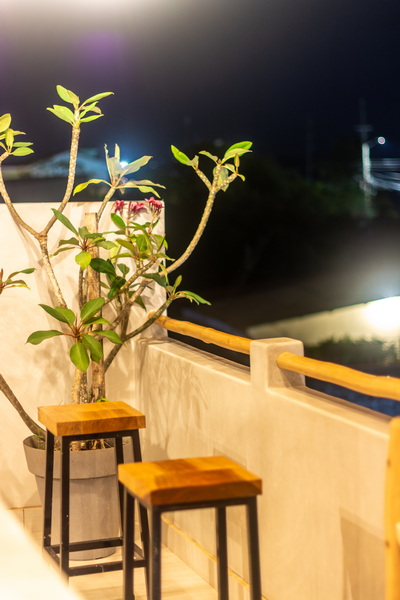
The spatial experience is constructed from the Japanese concept of Engawa: that habitable edge where interior and exterior dissolve. Through balconies on both façades, the architecture allows one to live at the boundaries, generating a constant relationship with the pool, the sea, and the estuary. On the third level, an open terrace offers a 360° view of the Gulf of Nicoya.
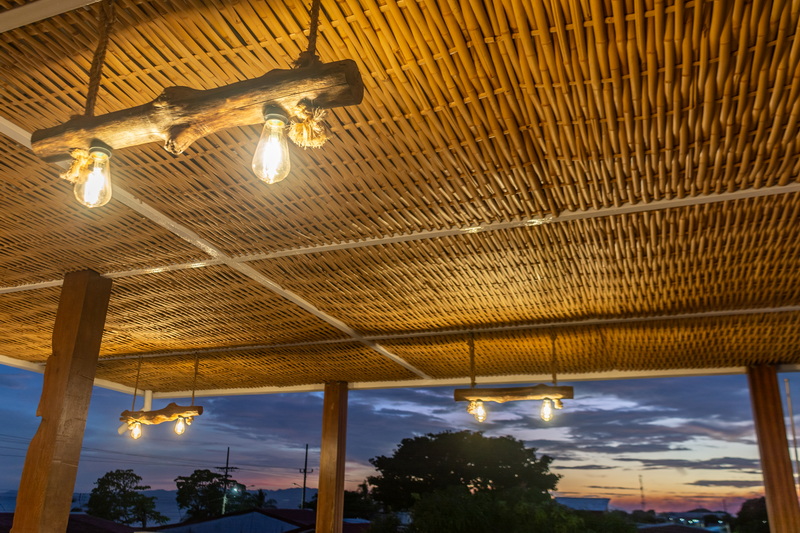
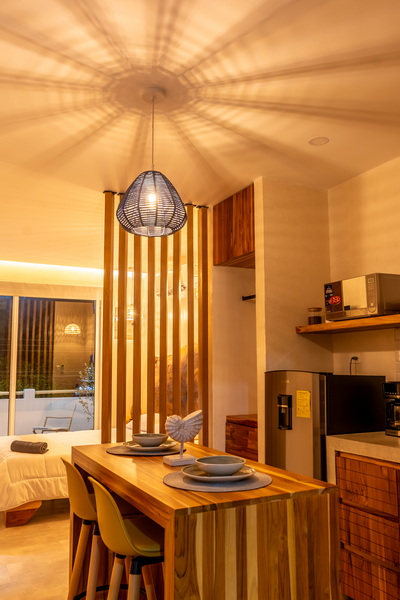
The architectural language fuses the serenity of Japandi Tropical with the authenticity of Wabi-Sabi. Materials — natural wood, micro-concrete, stone, and fibers such as bamboo and cañabrava — express their imperfections honestly. At night, warm lighting accompanies the circadian rhythm, generating intimate atmospheres that reinforce rest and wellbeing.
Project Information
- Location: El Cocal, Puntarenas, Costa Rica
- Year: 2026
- Stage: 2 of 3
- Typology: Residential / Hospitality Units
- Units: 2 — Isla Tortuga + Isla San Lucas
- Concept: Japandi Tropical — Wellhaus — Engawa
- Climate Strategy: Cross ventilation, natural lighting, bioclimatic design
- View: 360° Gulf of Nicoya from rooftop terrace
Gallery